 Written by
Across Nigeria’s business landscape, a noticeable transformation is underway. Marketing budgets that once flowed heavily into television commercials, radio jingles, billboards, and print advertising are increasingly being redirected toward digital channels.
From startups in Lagos to nationwide brands expanding across West Africa, companies are recognizing that digital platforms provide something traditional advertising often cannot, which is measurable performance, targeted reach, and scalable growth.
As a result, more organizations are partnering with a digital marketing company in Nigeria to drive customer acquisition, brand visibility, and long-term growth.
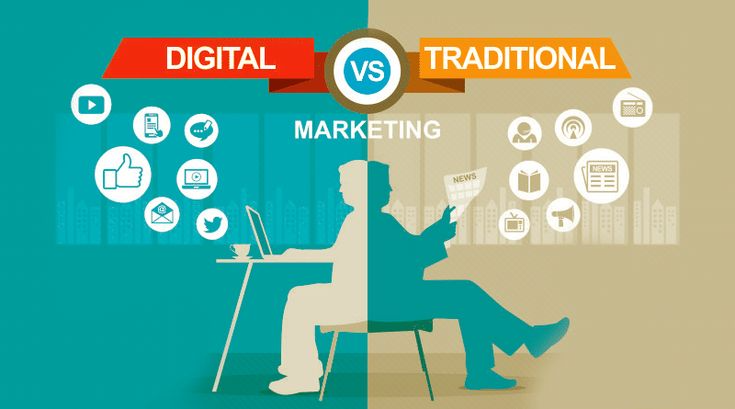
This shift from traditional media to digital strategies reflects deeper changes in consumer behavior, technology adoption, and marketing economics.
Understanding why businesses are making this transition helps explain the rising importance of digital agencies in Nigeria’s modern economy.
The Shift from Traditional to Digital in Nigeria
The shift from traditional to digital marketing in Nigeria has been accelerated by one major factor, which is consumer behavior. Over the past decade, Nigeria has experienced massive digital adoption:
- Millions of Nigerians now access the internet daily through smartphones.
- Social media platforms have become primary sources of news and entertainment.
- Online searches influence purchasing decisions across industries.
In contrast, traditional media consumption patterns are evolving. While television and radio remain relevant, their audiences are increasingly fragmented.
A billboard may reach thousands of commuters, but it cannot track who actually noticed it, visited a website, or made a purchase. Digital channels, however, can track that.
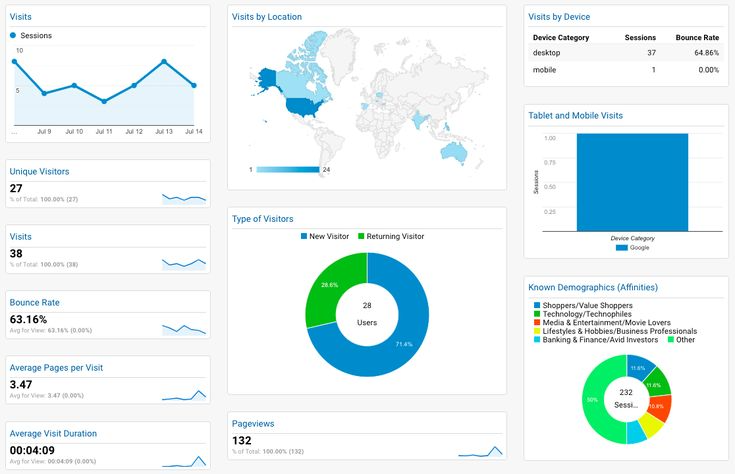
Businesses can track impressions, clicks, conversions, and customer journeys in real time. This level of insight is one reason organizations are increasingly working with a digital marketing company in Nigeria to manage campaigns that are both measurable and adaptable.
Digital Marketing Budget Allocation Is Changing
Another reason behind the shift is the changing structure of the digital marketing budget.
Traditional advertising often requires large upfront spending with uncertain outcomes. Producing a television commercial, purchasing airtime, or securing billboard placements can consume a large portion of a marketing budget.
Digital campaigns, on the other hand, offer flexibility. Businesses can start with smaller budgets, test different audiences, analyze performance, and scale campaigns that deliver results. For example:
- Paid search campaigns can target customers actively looking for products.
- Social media ads can reach specific demographics.
- Content marketing can build long-term visibility through search engines.
This flexibility allows businesses to allocate their digital marketing budget more strategically.
Instead of committing large sums to a single campaign, companies can distribute investments across multiple channels while continuously optimizing performance.
Media Efficiency in Nigeria’s Marketing Landscape
One of the strongest arguments for digital investment is media efficiency, which marketing professionals now emphasize. Media efficiency refers to how effectively marketing spend converts into meaningful outcomes.
In traditional advertising, efficiency can be difficult to measure. A radio ad may reach a wide audience, but determining how many listeners became customers is challenging.
Digital marketing dramatically improves media efficiency. Campaigns can be optimized based on performance metrics such as cost per click (CPC), cost per acquisition (CPA), return on ad spend (ROAS), and conversion rates.
With these insights, a digital marketing company in Nigeria can continuously refine campaigns to improve performance.
This data-driven approach allows businesses to maximize results while minimizing wasted ad spend.
Digital ROI Compared to Traditional Advertising
Perhaps the most compelling factor driving budget shifts is the difference in digital ROI compared to traditional ads. Return on investment has always been the ultimate measure of marketing success.
Traditional advertising can build brand awareness, but measuring direct financial impact is often difficult. Digital marketing, however, connects marketing activities directly to revenue.
For example:
- An e-commerce brand can track which ads generate purchases.
- A service provider can measure how many leads come from search campaigns.
- A retail business can analyze customer journeys across multiple touchpoints.
These insights enable businesses to clearly evaluate digital ROI compared to traditional ads. When executives see exactly how marketing contributes to revenue growth, it becomes easier to justify increasing digital investment.
This transparency is a key reason businesses increasingly rely on a digital marketing company in Nigeria to manage campaigns with measurable outcomes.
Performance Marketing Adoption in Nigeria
Another major driver of the shift is the rise of performance marketing in Nigeria. Performance marketing focuses on measurable results rather than broad exposure.
Instead of paying simply for visibility, companies invest in campaigns designed to generate specific outcomes, such as website visits, leads, app downloads, and sales.
This model aligns marketing spending directly with business goals. Platforms like Google Ads, Meta Ads, LinkedIn Ads, and TikTok Ads allow marketers to track every stage of the customer journey.
A digital marketing company in Nigeria specializing in performance marketing can create campaigns that combine targeted advertising, conversion optimization, data analysis, and continuous experimentation.
As more businesses recognize the advantages of performance-based strategies, digital marketing becomes an increasingly essential investment.
Consumer Behavior Is Driving the Change
Marketing follows attention, and today, Nigerian consumers spend significant time online:
- Social media engagement continues to grow.
- Online search plays a central role in product discovery.
- Video content consumption is expanding rapidly.
When consumers are online, brands must be there as well. Businesses that fail to adapt risk losing visibility to competitors that actively invest in digital channels.
A digital marketing company in Nigeria helps brands connect with audiences where they already spend time, on search engines, social media platforms, and digital content networks.
This alignment between consumer behavior and marketing strategy is one of the strongest forces driving the budget shift.
Digital Marketing Supports Scalable Growth
Traditional advertising often operates in fixed formats. A billboard remains in one location. A radio ad runs during a specific time slot.
Digital campaigns are far more scalable. A brand can start with a local campaign and gradually expand its reach to multiple regions or even international markets. For example:
- A Lagos-based business can target customers across Nigeria.
- A Nigerian brand can reach audiences throughout Africa.
- Global campaigns can be launched with localized messaging.
This scalability allows businesses to grow marketing investments alongside revenue.
A digital marketing company provides the expertise needed to manage expansion while maintaining campaign efficiency.
Data-Driven Marketing Is Becoming the Standard
Modern marketing decisions are increasingly guided by data. Digital platforms generate large volumes of insights about audience behaviour, campaign performance, and customer preferences.
These insights enable businesses to make more informed strategic decisions. A professional digital marketing company in Nigeria analyzes these data points to optimize marketing strategies and improve results.
This analytical approach contrasts sharply with traditional advertising methods, which often rely on assumptions rather than measurable evidence.
Competitive Pressure Is Accelerating the Shift
Competition also plays a significant role. When one company adopts effective digital strategies, competitors must follow or risk losing market share.
As more brands invest in search advertising, social media campaigns, and content marketing, digital visibility becomes increasingly competitive.
Businesses that fail to adapt may struggle to appear in search results, reach social media audiences, or capture online demand.
This competitive pressure is encouraging organizations across industries to allocate larger portions of their digital marketing budget to online channels.
The Strategic Role of a Digital Marketing Company in Nigeria
While some businesses attempt to manage digital marketing internally, many discover that the complexity of modern campaigns requires specialized expertise.
A digital marketing company in Nigeria provides strategic guidance across multiple areas:
- Search engine optimization (SEO)
- Paid advertising
- Social media marketing
- Content strategy
- Conversion optimization
- Marketing analytics
These capabilities enable businesses to execute integrated campaigns that deliver measurable outcomes.
Working with experienced professionals allows companies to focus on core operations while benefiting from advanced marketing strategies.
The Future of Marketing Investment in Nigeria
The transition toward digital marketing is likely to accelerate in the coming years. Several trends support this outlook, such as continued growth in internet access, increasing smartphone penetration, expanding e-commerce adoption, and rising demand for data-driven marketing strategies.
As these trends continue, digital channels will become even more central to business growth. Organizations that adapt early will gain a competitive advantage in reaching modern consumers.
Partnering with a digital marketing company in Nigeria enables businesses to navigate this evolving landscape with confidence.
The movement of marketing budgets from traditional channels to digital platforms reflects a fundamental shift in how businesses communicate with customers.
Digital marketing offers advantages that traditional advertising struggles to match, which are measurable performance, precise targeting, flexible budgets, and scalable growth opportunities.
These benefits explain why more organizations are embracing the shift from traditional to digital Nigeria marketing strategies.
By focusing on media efficiency, understanding digital ROI compared to traditional ads, and embracing performance marketing in Nigeria, businesses are building marketing systems designed for modern consumers.
Frequently Asked Questions
1. Why are Nigerian businesses shifting from traditional to digital marketing?
Businesses are shifting from traditional to digital marketing strategies because digital platforms offer measurable performance, targeted advertising, and better cost efficiency. Unlike traditional media, digital campaigns allow businesses to track conversions, optimize budgets, and reach specific audiences online.
2. What does a digital marketing company in Nigeria do?
A digital marketing company in Nigeria helps businesses grow online by managing services such as search engine optimization (SEO), social media marketing, paid advertising, content marketing, and analytics. These services help companies increase brand visibility, generate leads, and improve marketing return on investment.
3. Is digital marketing more effective than traditional advertising?
In many cases, digital ROI compared to traditional ads is higher because digital campaigns provide detailed performance data and targeting capabilities. Businesses can measure clicks, conversions, and revenue generated from campaigns, making digital marketing more accountable and scalable.
4. How do companies set a digital marketing budget?
A digital marketing budget is typically based on business goals, target audience size, industry competition, and growth targets. Many Nigerian businesses allocate budgets across SEO, paid advertising, and content marketing to balance short-term performance with long-term brand visibility.
5. What is performance marketing, and why is it growing in Nigeria?
Performance marketing adoption Nigeria businesses is embracing a focus on measurable outcomes such as leads, sales, or app downloads. Companies only scale campaigns that generate results, making marketing spending more efficient and aligned with business growth.