African young woman holding wallet with virtual currency bitcoin stressed and frustrated with hand on head, surprised and angry face
Nigeria is bursting with entrepreneurial energy. From roadside vendors to tech startup founders, there’s no shortage of brilliant ideas and relentless drive. Yet, behind the flashy social media posts and “CEO at XYZ Ventures” bios lies a bitter truth: funding remains one of the biggest obstacles for Nigerian entrepreneurs. While many start with passion and determination, the lack of financial support often stifles dreams before they even take off.
In this piece, we will be breaking down this harsh reality, uncovering why it persists, and most importantly, exploring practical ways to rise above it. Whether you’re a startup founder, small business owner, or just about to launch, this article is for you.
The Struggles Are Real: Understanding Nigeria’s Funding Landscape
It’s no news that Nigerian entrepreneurs face a tough climb to business success. Despite being the largest economy in Africa, access to finance remains a steep challenge. Many entrepreneurs can’t walk into a bank and leave with a business loan, not because they lack vision, but because they lack collateral, credit history, or access to formal institutions.
Traditional banks are often too conservative, demanding outrageous interest rates (sometimes over 25%) and impossible repayment schedules. This reality forces entrepreneurs to bootstrap their way up, relying on savings, friends, or “soft loans” from family, which aren’t always reliable or sufficient.
Let’s not forget the bureaucracy involved in government loans. Sometimes, it feels like you need to know someone who knows someone before you can even access the application form. Add in issues like corruption, delays, and inconsistent policies, and you begin to see why most Nigerian businesses give up halfway.
Worse still, women and rural entrepreneurs face an even bigger mountain to climb. With limited access to networks and decision-makers, they’re often sidelined, no matter how innovative or hardworking they are.
Transitioning from this gloomy picture, let’s now talk about why these problems persist despite all the buzz about “supporting SMEs” in Nigeria.
Why the Funding Gap Persists Despite So Much Potential
First, let’s call it what it is: many entrepreneurs are underprepared. Passion is great, but investors need numbers. Without a solid business plan, financial projections, or a compelling pitch, it’s hard to convince anyone to take a risk. And this is why drafting a business plan and record-keeping is important in running a business.
Then there’s the issue of poor financial literacy. Some entrepreneurs don’t understand how loans work, how to manage credit, or even how to price their products. This makes lenders and investors hesitant.
Another factor is limited exposure. A lot of business owners are doing incredible things, but remain invisible because they’re not online or engaging the right communities. In a country of over 200 million people, visibility is key. Click here to discover how you can make your brand visible
We also can’t ignore the broader economic environment. Inflation, currency fluctuations, and infrastructure deficits scare away foreign investors and exhaust local ones.
And finally, there’s the mindset issue. Many entrepreneurs have been conditioned to believe that funding must come from banks or “big men.” They overlook alternative and creative ways to raise capital, like crowdfunding or digital investment platforms.
But even in the face of these daunting challenges, many have risen above them. One of them is Ada Osakwe, a beacon of hope for entrepreneurs across Nigeria.
Group of business people analysis with marketing report graph, Young specialists are discussing business ideas for new digital start up project.
Inspiration from an Entrepreneur Who Beat the Odds
Let’s talk Ada Osakwe. She’s not just an entrepreneur—she’s a force. With two thriving businesses (Agrolay and Nuli), she’s built success from scratch, focusing on food, agriculture, and healthy living. Ada didn’t wait for the “perfect funding” conditions. She prepared, showed up, and grabbed every opportunity. Her famous quote that she lives by says it all: “Success is when preparation meets opportunity.”
She’s proof that strategic planning and bold execution can open doors, even in a tough environment. But she’s not alone.
From Mike Adenuga to Tony Elumelu, Nigeria boasts entrepreneurs who started small and scaled massively. They didn’t just wait for funding—they created opportunities. They invested in their knowledge, built strong networks, and used their influence to attract partners and investors.
Even tech founders today are following suit. Take Paystack’s rise—its founders started with a simple idea and eventually caught the attention of global giants like Stripe. What made the difference? Clarity, structure, persistence, and visibility.
So, how can the average entrepreneur learn from them and practically overcome funding challenges? Let’s continue.
Smart Moves: How to Overcome Funding Challenges as a Nigerian Entrepreneur
Leverage Your Network: Network, they say, is your Networth. Your first investor is often someone you know. Build strong relationships, join local business communities, attend networking events, even digital ones. Make friends with people who are driven by the same mindset as you. That WhatsApp business group could lead to your next funding deal.
Explore Alternative Funding Sources: Gone are the days when banks were the only option. Crowdfunding platforms like GoFundMe or Nigerian platforms such as NaijaFund allow you to raise capital from your community. Angel investors and venture capitalists (like Future Africa and GreenHouse Capital) are also active in Nigeria, especially if you’re in tech or innovation.
Tap into Government Support: Don’t ignore government initiatives. Institutions like:
Bank of Industry (BOI): Offers the BOI Youth Fund and SME loans.
NITDA: Supports tech startups with infrastructure and grants.
SMEDAN: Provides training and access to funding for small businesses.
Though the process can be tedious, with persistence and proper documentation, you can succeed.
Join Incubators & Accelerators: These programs not only offer funding but also mentorship, office space, and exposure. Examples include:
• Tony Elumelu Foundation
• Lagos Innovates
• Google for Startups Africa
They also open doors to networking, partnerships, and media coverage.
Polish Your Business Plan and Pitch: Invest time in crafting a compelling business plan. Practice your pitch. Anticipate investor questions. Remember: clarity breeds confidence. If you don’t believe in your idea, why should anyone else?
Build a Digital Presence: You can’t hide and expect investors to find you. Use social media, build a website, and write about your journey. People fund what they see and trust. Africa Digital Agency helps with that (more on that shortly!).
Tools and Resources That Can Help You Fund Your Business
To make this even more practical, here are some funding opportunities and platforms to consider:
Tony Elumelu Foundation (TEF): Annual $5,000 seed capital for African entrepreneurs.
LSETF (Lagos State Employment Trust Fund): Offers loans at low interest to Lagos-based businesses.
YouWiN Connect Nigeria: Federal Government funding program for young entrepreneurs.
Starta Africa: Offers tools and tips for startup growth in Nigeria.
VC4A: A global network for African entrepreneurs to connect with investors.
Also, always keep an eye on:
Pitch competitions.
Fellowship programs (like the Mandela Washington Fellowship).
NGO or donor-funded grants.
Set a Google Alert for “business grants in Nigeria” to never miss an update.
And remember, sometimes the best resource is mentorship. Find someone who has succeeded and done what you’re trying to do, and learn from them. Many will support you if you simply ask. Work closely with them, learn from them, and avoid their mistakes
Stay Motivated: Keep Moving Even When It’s Tough
Running a business in Nigeria is not for the faint-hearted. You’ll face setbacks, funding rejections, and even betrayal. But you must keep going.
Here are some quotes to remind you why you started:
“The way to get started is to quit talking and start doing.” – Walt Disney
“Opportunities don’t happen. You create them.” – Chris Grosser
“If you don’t build your dream, someone else will hire you to help them build theirs.” – Dhirubhai Ambani
And if you ever feel stuck, overwhelmed, or invisible, remember, many of today’s successful Nigerian entrepreneurs were once where you are.
Let Africa Digital Agency Help You Build the Right Visibility
At Africa Digital Agency, we understand the importance of visibility and credibility in attracting funding. Sometimes, it’s not that your idea isn’t great, it’s just not seen.
That’s where we come in.
We help entrepreneurs and business leaders like you build a powerful digital presence through:
Brand strategy and storytelling
Social media content creation and management
Online advertising and campaign execution
Website design and SEO
Business visibility and digital growth consulting
With our support, you can attract investors, customers, and strategic partners—both locally and globally. You’ve got the vision; let us help you amplify it.
Reach out to us here to take the next step in your entrepreneurial journey.
Final Words: Keep Showing Up
Yes, the funding terrain in Nigeria is tough. But it’s not impossible.
Every successful entrepreneur today started with a dream and the courage to keep showing up. Whether you get a “yes” or “no” today, keep pushing. Polish your idea. Build your network. Stay visible. Keep learning.
And when preparation meets opportunity, your success, just like Ada Osakwe’s, will be inevitable.
In today’s evolving workplace, especially within creative and fast-paced industries like digital marketing, Leadership is no longer just about giving instructions and expecting results.. At Africa Digital Agency, we’ve seen firsthand that people thrive when they feel connected, respected, and understood. But here’s the tricky part: how do you maintain authority without creating distance? How do you stay approachable without compromising your leadership?
Businessman Brainstorming About Leadership
This is the fine dance between being “the boss” and being “the buddy.” And for many business owners and leaders, especially those leading small teams or startups, this balance can make or break your work culture. This piece will teach you how to wear both hats with grace, confidence, and intention.
Understand Your Leadership Identity: Who Are You?
Before you start balancing friendship and leadership, you need to first understand your own leadership style. Are you naturally empathetic and relational, or are you the more results-driven, no-nonsense type? Knowing where you fall on the spectrum will help you identify what you need to do more of and what to tone down.
At Africa Digital Agency, we deal with diverse clients, fast deadlines, and a need for creative excellence. That means our team leaders must be adaptable. For instance, during a campaign launch, a team leader might need to switch from being a flexible collaborator to a deadline-driven decision-maker. But outside those intense moments, the same leader can (and should) be relatable and open.
In Nigerian business culture, there’s often a strong emphasis on hierarchy. But modern leadership is shifting. Even the oga at the top can show vulnerability. In fact, it builds more loyalty than fear ever will.
Set Clear Boundaries Without Being Cold
Let’s be honest, Nigerians are naturally warm and communal. We greet our colleagues with “My guy, how your body na?” or “How your night dey?” It’s in our DNA to treat people like family. But when you’re the leader, that closeness can blur lines quickly.
To keep things professional without turning into a cold, warlord leader, you need to set healthy boundaries early on. This doesn’t mean creating walls. It means being clear about your role, your expectations, and your non-negotiables.
For example, it’s okay to gist with your team during lunch breaks. But if someone consistently submits work late or misses deadlines, don’t ignore it in the name of friendship. Pull them aside respectfully and remind them of their responsibilities. Friendship doesn’t cancel accountability, it supports it.
At Africa Digital Agency, we use structured communication tools like Slack and Zoho to keep things transparent. Tasks are assigned with clear deadlines. Praise is given publicly, while corrections happen privately. This balance keeps things respectful and prevents favoritism.
Avoid discussing sensitive personal issues with team members you lead. It may feel like bonding, but it can later be used against you or cause an imbalance in how others perceive your professionalism.
Cultivate Emotional Intelligence as a Superpower
Being emotionally intelligent is the bridge between being liked and being respected. It’s what helps you read the room, listen beyond words, and know when to coach versus when to correct. Leaders with emotional intelligence are better equipped to manage stress and conflict within their team. As a leader, you’re not just managing timelines, you’re managing creative minds, emotions, and energy levels. One team member might perform best with weekly check-ins. Another might need daily reassurance. You won’t know unless you pay attention.
Emotional intelligence is about asking, “What’s going on beneath the surface?” Is that designer missing deadlines because they’re lazy, or are they going through something? Is your social media manager suddenly withdrawn? Maybe she’s burnt out, not rude.
At Africa Digital Agency, we encourage empathy in leadership. One of our values is “People First,” because we know that behind every campaign is a person trying their best. We celebrate wins with the same energy we use to support our teammates through losses.
Practice active listening. When someone’s talking, don’t just wait for your turn to respond. Really listen. Reflect their concerns. Ask clarifying questions. You’ll build trust—and that’s the real secret sauce to great leadership.
Build a Culture of Respect, Not Fear
Many Nigerian leaders were raised in a system that equated fear with respect. You feared your headmaster, your parents, even your church elder. So it’s easy to fall into that same leadership model. But today’s workforce, especially Gen Z, doesn’t respond to fear. They want fairness, clarity, and purpose.
Respect doesn’t mean being soft. It means being firm but fair. Being able to lead with confidence while still making your team feel seen. Respect is also earned through consistency. You can’t be playful one week and then randomly start shouting the next. People won’t know which version of you to expect and get used to
You can promote open feedback loops where Junior staff can respectfully challenge ideas without fear, interns are encouraged to pitch during meetings. This flat structure makes everyone feel like they matter, and when people feel valued, they give more and stay. One of the ways to retain employees is by making them feel valued and heard. Check here for other employee retention strategies
Be Consistent: Your Energy Shouldn’t Be a Guessing Game
Nothing confuses a team more than an unpredictable leader. If you’re warm and chatty one day, but cold and silent the next, your team will start to walk on eggshells. That’s not leadership, that’s emotional instability.
Consistency is what gives your team security. When they know what to expect from you, they’re less anxious, more productive, and more loyal.
For a business owner whose business is online, there are already a lot of moving parts: client feedback, tech glitches, and algorithm changes. Your team shouldn’t also be trying to figure you out. Let your mood be stable, even when the market isn’t.
We encourage leaders to check their emotional temperature before stepping into the (virtual or physical) office. If you’re not in the right headspace, take a pause. Don’t transfer that tension to your team.
Leadership tip: Create routines. Monday morning check-ins, Friday team shout-outs, and monthly performance reviews. These touchpoints help everyone stay aligned and reduce surprises. Rituals build rhythm, and rhythm builds trust.
Blend the Two Roles with Intentionality
Here’s the truth: You don’t need to choose between being a boss and being a friend. You can absolutely be both as long as you’re intentional.
On Monday morning, you’re focused on strategy, KPIs, and deliverables. But on Friday afternoon, you can switch gears, laugh with your team, celebrate wins, or ask how someone’s mum is doing. Leadership doesn’t mean emotional distance. It means emotional maturity.
Want to host a game day at work? Go ahead. Want to grab lunch with your staff? Sure. Just don’t compromise your leadership voice in those moments. You can be approachable without being a pushover.
At Africa Digital Agency, we’ve learned that the best teams are those that laugh together, cry together, and still get the work done. We believe in community, not just structure.
Final pro tip: Practice “compartmentalized connection.” Be emotionally available without being emotionally dependent. Build trust, not dependency.
Conclusion: Be Human First, Leader Always
Balancing leadership and friendship is not about performing two roles; it’s about being your full, human self while leading with intention. You’re not just a title; a boss. You’re a culture-setter, a trust-builder, a vision-carrier.
Your ability to lead with both authority and empathy is what will make your team thrive. And in today’s world, where creativity, people, and results go hand-in-hand, this balance isn’t just helpful. It’s necessary.
So go ahead, be the boss on Monday, and the friend on Friday. Your team deserves both. Don’t forget to reach us here for your brand advertising
Have you ever wondered why brands like Nivea, Dove, and Dior have remained relevant for decades? These brands have managed to stay at the top of consumers’ minds, not just because of their product quality but because of how visible and recognizable they are. Today, people don’t just buy these products—they recommend them, rave about them, and remember them. That’s the power of brand visibility, awareness, and strategic market positioning.
In a competitive digital world where thousands of brands are launched every day, standing out is no longer optional. Whether you’re an entrepreneur, business owner, or team leader, understanding and applying the right brand strategy can elevate your business beyond the noise. This guide will walk you through how to build strong brand visibility and position your brand effectively in the market.
Brand Visibility is key to brand success
Understanding Brand Visibility and Why It Matters
Brand visibility refers to how easily and frequently your brand is seen by potential and existing customers. It’s about how present your brand is across different platforms, whether it’s on social media, email newsletters, search engines, or even physical events.
Visibility plays a crucial role in the buyer’s journey. The more someone sees your brand, the more familiar they become with it. Familiarity breeds trust, and trust leads to action.
Think of how many times you’ve seen the name “Nike” before deciding to purchase a pair of sneakers. It wasn’t random, it was repetition and relevance. For small businesses, it’s important to create consistent exposure to build the same level of trust over time.
What Is Brand Awareness?
While visibility is about how often people see your brand, brand awareness is about what they know and remember about it. It’s the reason why, when you see a bitten apple logo, you instantly think of Apple Inc., without even seeing the name. It’s the emotional and cognitive connection people make with your brand.
Brand awareness includes:
Recognition (e.g., logo, tagline, colors)
Recall (remembering your brand when thinking of your category)
Reputation (how people talk about your brand)
When done right, brand awareness becomes your silent marketer. People begin to recommend your brand based on experience, word-of-mouth, and positive associations—even without heavy advertising.
The Power of First Impression
First impressions are everything. With marketing first impression really goes a long way. In fact, it takes just 7 seconds for people to form an opinion about your brand. Whether it’s your logo, your website layout, your tone of voice on social media, or how you respond to customer inquiries, every interaction counts. A well-designed and coherent brand leaves a lasting impression.
Ensure that your visual identity, message, and customer experience are consistent and professional. That way, when someone interacts with your brand, it aligns with the story you want to tell.
What Is Market Positioning and Why Is It Essential?
Market positioning is how your brand is perceived in the minds of your target audience—especially in comparison to your competitors. It answers the question: “What do people think of when they hear my brand name?”
Your positioning influences:
How much customers are willing to pay for your product
Who your ideal customers are
How easily your brand is remembered
For example, WePrintLagos positions itself as an innovative and premium printing solution in Nigeria. Because of this positioning, they attract clients who value creativity and are willing to pay for quality.
Successful brands don’t try to be everything to everyone—they focus on carving a unique space for themselves in the market.
Types of Brand Positioning And How to Choose One
Depending on your business model and customer base, here are a few popular positioning strategies:
Price-Based Positioning: Compete on offering the most affordable option (e.g., Walmart, Jumia). Choose this if your business thrives on volume sales.
Quality or Luxury Positioning: Focus on premium quality or luxury experience (e.g., Rolex, Chanel). Great if you offer exceptional craftsmanship or exclusivity.
Innovation-Based Positioning: Appeal to forward-thinking consumers (e.g., Apple, Tesla). Works well for tech, design, or futuristic offerings.
Niche or Specialized Positioning: Target a specific market segment (e.g., Glossier for Gen Z beauty lovers). Ideal for small businesses or startups.
Your market positioning should reflect your values, goals, and the unique edge you offer. Once it’s clear, every piece of your branding should support it.
Strategies to Boost Brand Visibility and Awareness
Now that we’ve covered the foundation, let’s explore practical ways to make your brand more visible and memorable.
1. Develop a Clear and Consistent Brand Identity: Start with the basics: logo, color scheme, typography, voice, and brand story. Consistency builds trust. Make sure your branding looks and feels the same across your website, social media, product packaging, and even emails.
2. Know Your Audience Deeply: Understanding your target audience’s needs, challenges, and preferences allows you to speak directly to them. Create buyer personas, conduct surveys, and monitor their behavior online. Speak their language and deliver what they need—before they ask.
3. Invest in Content Marketing: Content builds credibility. Blog posts, videos, podcasts, and infographics help educate your audience and showcase your expertise. SEO-optimized content also improves your visibility on search engines—leading to more organic traffic and awareness.
4. Leverage Social Media Strategically: You don’t have to be everywhere, but you must be where your audience is. Whether it’s Instagram, LinkedIn, Facebook, or TikTok, focus on creating value-driven content that resonates. Engage with your audience, respond to comments, and join trending conversations. Visibility thrives on interaction.
5. Collaborate and Network: Partnering with other brands, influencers, or thought leaders in your space can expose your brand to a wider audience. Look out for guest posting, podcast features, joint webinars, and community campaigns. Shared audiences can be powerful.
Aligning Visibility with Your Market Position
It’s not enough to be visible, you must be visible in the right way. If you’re positioning your brand as luxury, then your designs, content, and customer experience must reflect that standard. Similarly, a brand focused on affordability should highlight deals, savings, and value-driven messaging.
Every post, product, and interaction should reinforce the position you’ve chosen in your market. Ask yourself regularly:
• Does this piece of content support how I want my brand to be seen?
• Am I attracting the audience I want?
When visibility and positioning are aligned, your brand not only stands out but sticks in people’s minds.
Offline Visibility Still Matters
Even in a digital age, offline branding still counts especially for service-based businesses. Consider the following for offline visibility:
These small but strategic moves help extend your brand’s presence beyond the screen and build community-based recognition.
Tracking and Measuring Brand Success
What gets measured gets improved. You need to regularly assess how your visibility and positioning strategies are performing. Use tools like:
Google Analytics (website traffic, keywords, referrals)
Social media insights (reach, engagement, mentions)
Brand monitoring tools (e.g., Mention, Brand24)
Monitor key metrics such as:
Brand recall rates
Customer referrals
Traffic sources
Follower growth
Engagement rates
Use this data to refine your strategy, double down on what works, and pivot away from what doesn’t.
Build to Last, Not Just to Trend
In today’s fast-moving market, trends come and go. But a well-positioned, visible brand stays top-of-mind. Whether you’re just starting out or trying to scale your business, building visibility and awareness is not a one-time event; it’s a long-term investment.
Show up. Stay consistent. Stay true to your values.
With the right visibility strategy and a clear market position, your brand will not only be seen, it will be remembered, trusted, and loved.
Start with one visibility strategy this week, and watch how it changes the way your audience connects with your business. At Africa Digital Agency, we help brands reach their target audience. Let’s work together to grow your brand. Reach us here
One of the most common complaints among business owners is that weekdays never seem to be enough. The clock ticks too fast because deadlines keep piling up, and before they know it, they’re carrying last week’s tasks into a new week. This is why Mondays often feel overwhelming, more like a continuation than a fresh start.
For many, the issue isn’t just the volume of tasks but the challenge of knowing where to begin. There’s so much to do, but so little clarity on what deserves attention first. This constant struggle creates stress, frustration, and sometimes, even burnout. Are you a business owner who is frequently overwhelmed with managing your time, prioritizing tasks, handling team deliverables, and staying productive? breathe, this piece is for you.
alarm clock, AI generated
The Importance of Time Management:
Time management is much more than simply remembering tasks or working hard but it’s about working smart. It involves strategic planning, execution, and reflection. At its core, time management is the conscious coordination of activities that maximizes productivity and minimizes stress.
As a business owner, having a solid grasp of time management is non-negotiable. It’s a foundational skill that influences everything—from your workflow and decision-making process to your mental well-being and leadership effectiveness.
Why time management is essential for business success:
1. Clarity and Focus
When you manage your time effectively, you’re not just making to-do lists—you’re creating a blueprint for your day. Time management allows you to cut through the noise and gain clarity on what truly matters. Instead of being reactive to every email or alert, you become proactive—moving with direction, purpose, and intention.
You’ll no longer be swept up by unimportant but seemingly urgent distractions. With focus comes deeper work, fewer mistakes, and better results.
2. Increased Output with Less Stress
One of the biggest myths is that productivity equals working longer hours. But real productivity is about producing quality results in less time. Proper time management helps you plan smarter, avoid burnout, and accomplish more without draining your energy.
Studies have shown that when business leaders are more organized and less overwhelmed, this sense of calm naturally influences their teams. A stress-free leader fosters a positive work culture, and a positive work culture promotes performance. It’s a ripple effect that begins with you.
3. Improved Decision-Making
Every business owner is constantly making decisions; some small, others game-changing. But stress and fatigue clouds judgment. When your mind is cluttered with incomplete tasks or looming deadlines this makes your ability to make sound, timely decisions weakens.
Time management helps you slow down, breathe, and evaluate options rationally. With a structured approach to your time, you’ll find it easier to weigh pros and cons, assess risks, and make confident choices.
4. Creative Freedom
Creativity thrives in a space that’s not chaotic. letting your brain free of mountain of to-dos, it can innovate, brainstorm, and explore. Time management allows you to schedule deep-focus periods where your mind is free to ideate without constant interruptions.
And let’s be honest: creativity is one of your biggest assets as a business owner. planning marketing strategies, solving customer pain points, or developing new products, time gives you the mental runway to think outside the box.
5. Better Leadership
Time management sharpens your leadership skills. Effective time use enablesto you naturally encourage your team to do the same. You’re able to support them better, create space for mentorship, and make room for collaborative brainstorming instead of always being buried in “urgent” tasks.
Great leaders don’t just manage their time; they guide others to do the same. See more tips on good leadershiphere
6. Better Work-Life Balance
As a business owner, your personal time is often sacrificed at the altar of “hustle.” But burnout doesn’t make you a hero; it makes you ineffective. Time management teaches you the power of boundaries—how to say no, when to log off, and why rest is just as productive as work.
With better time management, you can intentionally make room for things that matter—family, relationships, self-care, spiritual growth, or even hobbies. A balanced life contributes to a more sustainable and fulfilling career.
The Four D’s of Time Management
One powerful method of managing your workload is applying the Four D’s:
1. D: Tasks that are important and urgent. Handle these immediately.
2. Defer: Tasks that are important but not urgent. Schedule these.
3. Delegate: Tasks that are urgent but not important. Assign to someone else.
4. Delete: Tasks that are neither urgent nor important. Eliminate them.
How to Practice Time Management as a Business Owner
Time management is delegating tasks to your employees
How to practice Time Management:
1. Prioritize Your Tasks
This is your first step to staying ahead of your to-do list. As a business owner, everything might feel important—but the key is knowing which tasks to handle first.
We’ll expand on this more shortly, but just know: Effective prioritization is the bedrock of good time management.
2. Create a Daily Plan
It might seem outdated, but don’t underestimate the power of a simple daily plan. Whether it’s a digital calendar, a journal, or a whiteboard in your workspace, planning your day creates structure. It acts as your compass, guiding you through tasks with purpose.
Planning your day also boosts accountability—once it’s written down, it’s harder to ignore.
3. Use Productivity Tools
Take advantage of modern tools that help you streamline and organize:
• Asana: It allows users to create projects, assign tasks and deadlines
• Trello: For visual project management using boards and cards
• Google Calendar/ Zoho: setting up schedules, meeting calls, and reminders.
• Notion: For organizing workflows, notes, databases, and planning content.
The goal is to use systems that work for you—not complicate your process.
4. Eliminate Distractions
Social media, emails, phone calls—they all creep in and eat into our productivity. Try using time-blocking techniques to schedule “focus time” where all distractions are turned off.
5. Delegate Smartly
You don’t have to do everything. Delegation isn’t a weakness—it’s a strength. Empower your team to handle responsibilities you don’t need to carry. This frees you up to focus on strategy and growth.
Train, trust, and let go.
6. Reflect and Adjust
At the end of each week, spend time reviewing your wins and gaps. What took more time than expected? What can you outsource or eliminate next week? This simple review builds self-awareness and helps you optimize how you spend your time going forward. This also helps in retaining employees, see here
The Pareto Principle (80/20 Rule)
The Pareto Principle suggests that 80% of your results come from 20% of your efforts. The trick is identifying and prioritizing that valuable 20%. Maybe it’s relationship-building, pitching, or client work. Whatever it is, make it your focus. Don’t get stuck perfecting the small stuff that brings little return.
How to Prioritize Tasks
Time management and task prioritization go hand in hand. To effectively prioritize, follow these practical steps:
1. Create a Comprehensive Task List
Start by brain-dumping everything you need to do—big or small, personal or professional, urgent or long-term. Getting it all out of your head reduces stress and gives you a clear picture of what you’re dealing with.
3. Plan and Execute
Once your tasks are sorted, assign time blocks to them. Focus on one thing at a time. Multitasking is a myth—it only divides your focus and reduces efficiency.
Also, remain flexible. Life happens. Plans shift. What matters is execution and adjustment, not perfection.
4. Use Technology to Stay on Track
Productivity apps aren’t just trendy—they’re practical. They help automate reminders, set deadlines, and track your progress. Use tools that align with your work style.
Final Thoughts
Time management is not a one-size-fits-all approach. It’s a daily discipline. Some days you’ll win, others you’ll need to reset. What matters is consistency. Don’t be hard on yourself when things don’t go as planned. Reflect. Adjust. Keep moving.
One final thought: remember the old but true saying: “The fish starts spoiling from the head.” As the leader of your business, your attitude toward time sets the tone for your entire organization. Your calm, focus, and discipline will inspire the same in your team.
So, today, I challenge you to take control of your time. Audit it. Respect it. Manage it well. You’ll be amazed at how much more you can achieve.
What time management hacks or tools have helped you most?
Let’s grow together, drop your tips in the comments, and don’t forget to like and share this post. You can reach us here to help you market your brand.
Searching for and finding the right employee is a major challenge for every business owner, but the real work begins after hiring. In today’s competitive business landscape, retaining employees can be just as demanding.
Employee retention refers to an organization’s ability to keep its workforce and reduce turnover. This is achieved through strategies that create a positive work environment, offer competitive compensation and benefits, and provide continuous growth and development opportunities.
Retaining employees is critical for business success. It brings stability, reduces the cost and stress associated with recruiting and onboarding, and ensures that business goals are consistently pursued. Constant employee turnover can disrupt workflows, create inconsistencies in service delivery, and weaken team chemistry. However, when employees stay longer, they build strong working relationships, understand the vision of the business, and contribute more effectively to its growth.
In this article, we’ll explore tested and trusted strategies to help you keep your best and most loyal employees engaged and committed.
The Cost of Losing Good Talent
Losing top talent can be incredibly costly for businesses—not just financially but also in terms of morale and productivity. The impact of high turnover rates is especially felt in sectors like banking, telecommunications, and hospitality. For instance, in Nigeria’s banking sector, employee turnover rates jumped from 12.5% to 28.1% between 2018 and 2021. Research also shows that 71% of employees leave their jobs within the first year of employment.
Here’s a breakdown of what losing employees can cost a business:
• Financial Costs: The cost of hiring, recruiting, and onboarding new employees adds up quickly. Even temporarily filling the role with ad hoc staff leads to unplanned expenses, while reduced coverage may affect productivity.
• Inconsistency in Results: When loyal employees leave, their unique way of delivering services often leaves with them. Clients and colleagues who were accustomed to their style may feel the change, which could affect satisfaction and continuity.
• Reduced Productivity: Talented employees are usually among the most productive. Losing them can create a gap in output, delay project timelines, and increase the workload on the remaining staff.
Strategies for Employee Retention
Provide Opportunities for Growth and Development: Employees thrive in environments that allow them to grow. When workers feel their skills are underutilized or there’s no room for advancement, they often become disengaged and seek opportunities elsewhere. Regular training, upskilling programs, and mentorship opportunities can help retain top talent.
Foster a Positive Work Environment: A supportive and respectful workplace boosts morale and keeps employees motivated. Encourage practices like giving compliments, offering constructive feedback, and eliminating toxic behaviors like favoritism or bullying. A healthy culture helps employees feel valued and safe.
Recognize and Reward Contributions: Everyone loves to feel appreciated. Recognition—whether through words, incentives, or awards—goes a long way in motivating employees. Celebrate wins, highlight standout performances, and implement a reward system that acknowledges hard work and loyalty.
Encourage Work-Life Balance: Employees aren’t just workers—they’re people with lives outside the office. Offering flexibility in work schedules, remote work options, or wellness days helps employees balance their personal and professional lives, which, in turn, boosts satisfaction and loyalty.
Build Strong Leadership and Communication: Effective leadership is key to a loyal workforce. Leaders must be empathetic, communicative, and supportive. When employees feel heard and understood, they are more likely to stay. On the flip side, poor leadership leads to confusion, low morale, and high turnover.
Act on Feedback: Give employees a voice in your organization. Encourage them to share feedback—preferably anonymously—on how the company can improve. Acting on that feedback shows you value their input, creating a culture of mutual respect and engagement.
Conclusion
Employee retention doesn’t happen by accident—it’s the result of intentional strategies that prioritize people. By implementing these proven approaches, your business can enjoy the many benefits of having loyal employees who are fully engaged and committed to your vision.
Excited to retain your employees? Start with one strategy today and build from there or reach out to us at Africa Digital Agency, let’s support your growth and marketing team for better result!
Digital marketing is a fundamental part of every business but in today’s market, it’s unpredictable and evolving fast. It seems every day, there’s a new tool, a new tactic, and a new trend. So it’s no surprise that this makes it hard to know where to start, what actually works, how to spend your time and what you need to be doing to build the framework of a great marketing strategy. But together we’ll fix that. Hi, I’m Brad Batesole and I’ve been advising some of the world’s leading brands on marketing strategies for over 15 years. In this course, I’m going to cut through the noise dispel the myths, and give you a proven step-by-step approach to developing your digital marketing in a way that will not only grow your business but will also adapt with the times. This includes everything from developing your strategy to selecting the right marketing channels to capturing the key skills that you’ll need all along the way. Whether you’re looking to start your own home-based business or working for a large corporation, you’ll find the skills you need to feel confident to embark on your digital marketing journey right here. So let’s go.
What is digital marketing?
When we talk about digital marketing we’re essentially talking about promoting your business online using a multitude of channels. And these channels are how you make your buyer aware of what you’re selling. Some common digital channels might include your website, search engines, social media, online video and even paid ads. You see, your customer will intersect many channels in their day to day, and marketing is about finding the right message, to share with the right person, at just the right time, through the right channel. And that sounds like a lot to get right, but truth be told us marketers rarely get it on the first try. You see marketing is just as much a science as it is an art and the digital aspect of marketing lets us get really scientific. We spend a lot of time making a hypothesis, testing it and then using the data we collect to adjust course, and failure is going to just be part of the journey. Now it’s all of this data that makes digital marketing incredibly powerful. Just about every action you take on the web is tracked, collect enough data points and you can build really powerful predictions about people’s behavior. And because marketing is the act of persuading someone to take action, well then the more data we have the more successful we’ll be at that persuasion.
Getting started with digital marketing
Every marketer has faced analysis paralysis, essentially, when you get stuck in a state of overthinking to the point that you never take action, and usually this is because you’re overwhelmed with options on where to start, or you’re convinced that you must finish one thing before you can start on something else. So as you begin to navigate the world of digital marketing, I want to give you some pointers that’ll spare you from overthinking it, and save you a lot of time and headaches on your journey. First, just start, anywhere. It doesn’t matter. There are so many aspects of marketing, from defining your target market, to building your first campaign, to writing copy for your website. If you’re dragging your feet, just pick up the first thing that interests you and do it. It might be out of order, and that’s fine. Now, you’ll run into a roadblock, and then it’ll unlock something different that you need to solve, and before you know it, you’ll be putting the building blocks together. Second, everything doesn’t need to be perfect. You don’t need a finished website or exactly the right packaging. I am giving you permission to be okay with good enough. In fact, you’re wasting time if you’re not launching with partially baked ideas. Try things out once they’re mostly there, and then if they’re promising, and only if they’re promising, well, then you can improve them. Third, you’re going to screw up along the way. Don’t sweat it. I always say failure is just money spent on education, and education is never wasted. So keep at it. Oh, and one more thing, it’s by no means going to be easy or quick, or are the results going to be instantaneous, but if you apply yourself and work through the concepts of digital marketing, well, it’ll start to click. Things’ll fall into place, and you’ll be moving your marketing efforts forward, piece by piece until you pick up momentum.
The building blocks of digital marketing
Let’s talk about the three types of media you’ll be leveraging in digital marketing. Paid, owned, and earned. When we talk about paid media, this is well, everything that you pay for, and this will include channels like pay-per-click ads, affiliate marketing, and display marketing. Now, owned media will encompass channels that you directly control like your website, your list of customers that you use to send out emails, and maybe a blog that you host. Earned media is the world of organic mentions. This is posts by others on social media. Mentions on third-party blogs and any articles that were written about you. This all makes up the channels with earned media. Now all of these channels can overlap, just as a user will overlap as they interact with each. Social media, for example, can be a paid channel if you’re promoting posts. An owned channel if you’re publishing a post, and an earned channel if you’re receiving interactions and mentions from others. Together, these make up the foundation of digital marketing. Now these media types also exist in traditional marketing but we gain a huge advantage in digital marketing, personalization. Because we have a rich insight on our audience, we’re able to speak directly to the consumer by tailoring our message to them. So it’s really important you treat each channel with that in mind. Now the opposite of personalization is known as mass market. Say for example, you’re selling mattresses. If you used paid media in a traditional sense, you might put an ad in the local newspaper. Maybe some folks reading it are in the market, but most aren’t. In digital marketing, you’re creating a highly focused ad directly at individuals who are searching for that new mattress. Now there’s always exceptions in marketing. But for the most part, as you evaluate where to market digitally, remember to evaluate how you’re using personalization to your advantage. Don’t treat digital marketing with a mass marketing mindset.
The marketing funnel
Can we talk about funnels all the time in marketing? Purchase funnels, sales funnels, inbound funnels, but regardless of the name, they’re all ultimately describing the same concept. A funnel is really just a way to represent the customer’s journey as they move towards the purchase of your product or service. At the top, or the widest part of the funnel, is where a buyer starts their journey. And the bottom, the narrowest part, is where they complete it. So our goal as marketers is to funnel prospects into buyers moving them from the top to the bottom of the funnel. The shape reflects the fact that a large number of people will never complete the journey through the funnel. You’ll expose your product or service to a lot of people, the top of the funnel, but only a small fraction will actually convert. Now we tend to segment the funnel into four areas. Awareness, interest, desire and action. At the top, is awareness. A prospect has to become aware of not only what they want, but who’s offering it. This is when a prospect is introduced to your brand, but keep in mind, they’re also likely exposed to the competition as well. Now, below awareness, we have interest. At this stage, a consumer begins to explore the products or services available to them in more detail. Next, comes desire, which we can also call consideration. It’s here that the prospect wants to make a purchase but it may or may not be with your brand. They’re in the final stages of evaluating whether or not to commit. And finally, action. They’re either going to buy, or they’re not. They may select your company, another company, or based on their findings decide they’re not making a purchase at all. Now this is the foundational funnel, and we call it the item model. You may also see it with one last step known as loyalty. Essentially, the act of retaining the customer. We often reference these different segments as top of funnel, middle of the funnel, and bottom of the funnel. Towards the bottom of the funnel, you have a consumer who is really close to making a purchase. Bottom funnel marketing focuses on identifying consumers who are in buying decisions and then converting them. Search advertising is exceptional for this. At the top of the funnel, you’re focused on making leads aware of your solution. If there’s zero top of the funnel marketing, well, there’s nobody coming out the other side, you have to get them in the door before you can sell to them. And as you might expect, middle-of-the-funnel marketing is the nurturing process to keep the lead moving. It’s giving them a great experience and all the information they need at just the right time to make their decision. It’s crucial to understand which stage your customer is at so you can deliver marketing that helps them get to the next stage.
Creating a buyer journey map
One of the greatest challenges in marketing is knowing which marketing messages would be compelling to your audience, and also knowing when and where they should be delivered. As you begin to evaluate your customer journey, I encourage you to create a customer journey map. Now, there’s no one set form for this, but you can create a very simple template to get you started. Along the top as columns, I’ll list out the funnel stages. Awareness, interest, desire, action, and loyalty. Then I’ll create a few rows and give them labels. Start with activities. What is the customer doing in this phase? Then goals. This is what the customer wants to achieve during this phase. Next, thoughts. What are some questions or thoughts the customer might have? From here, emotional state. Is the customer happy, excited, sad, frustrated? Are they curious or interested? And how are they feeling during the portion of this journey? I usually draw a one to five scale using smiley faces, and then I’ll put a small quote reflecting on that customer’s feeling, such as a thought of, this seems interesting. Next, we’ll look at touchpoints and channels. What will the customer interact with and where? Is it your website, social media, email, and so on? And then objectives. What do you need to do to move this customer to the next stage of the funnel? Now, you might have multiple responses for each funnel stage, but this format will help you map out your fundamental buyer journey. Let’s fill out one of these columns together. Say we have a pet grooming business. For activities, the customer is searching Google for pet grooming near me. Goals. Well, they want to see what businesses offer this service. Thoughts at this stage might be, I wish I thought to do this sooner, or, I’ve never taken Fido anywhere before. Maybe we’ll give their emotional state a neutral smiley face. Next we’ll look at touch points within the awareness phase. This could be a Google map listing and our website. And then we have the objectives. We want to make the customer aware of our business, but most notably, we want them to be aware of how to book an appointment and see how well-reviewed our business is. with this first piece of the journey built, we can then move through the columns. And what’s great is now we can look at this column and see exactly what we need to do. It’s important that we consider how we might make the customer feel more comfortable about our grooming salon, perhaps making them excited about how easy it is to book. And it’s also evident that we need to be sure that our Google My Business listing and our website are ready to receive this customer. Consider the journey your customer’s experience and build a map. This way you can make it more delightful, less frustrating, and ultimately, successful.
Developing a marketing strategy
Developing a marketing strategy can feel overwhelming. But when you break it down, I trust you’ll come to recognize just how straightforward it really is. I think there’s a misconception that marketing strategies are multi-page intensive documents and that you need to solve for everything right now. And that’s just not the case. Marketing is always in motion. You’ll constantly be moving from one idea to the next and iterating along the way. Now, a great strategy starts with a really clear foundation. We start by understanding what it is you’re selling, what makes it unique, and what’s your value proposition. From there, it’s a matter of identifying who you’re selling to. And this is known as your target market. You’ll want to gain an understanding of who they are, what motivates them, and how your product or service solves their problem. Now you might think you already have this covered. But I encourage you to really think on this. A misplaced idea in your target market identification and the whole process comes crashing down. You can’t market to everyone. You’re working to figure out how what you sell fits with the market that you’re going after. And oftentimes, you might need to tweak your value proposition or your audience until you’ve dialed in the right fit. You’ll keep refining after your marketing cycle is up and running. There’s also the matter of looking at your competition, the market share, the opportunity within that market, and of course, how you stack up. Now at this point, you might be thinking, okay, it’s time to add in the actual marketing techniques into the strategy. But remember, developing the strategy is marketing. Your strategy and the evolution of that strategy is the very foundation of everything that you’re doing. So even though you might feel like you haven’t done anything at this point to move the needle, it’s all incredibly important. It’s here that you then begin to layer in your marketing channel selections alongside that customer journey so you can leverage an approach to how you’ll draft your marketing messaging. Now a good strategy is always evolving and the planning work is just as important as the execution of the strategy itself.
Defining your value proposition
At the center of your marketing is your value proposition. It’s a short, distinct statement that outlines exactly why a customer should buy your product or service. It should be something that can live as a headline with a supporting sentence or a few bullet points. It should be front and center in your messaging and be the foundation by which you build all of your marketing around. A value proposition is not a jargon-filled statement, nor is it your slogan. It must be simple, clear, and easy to understand in about five seconds. Now, the less known your brand is, the better the value proposition you’re going to need. When Uber launched, for example, it stuck to this value proposition, the smartest way to get around. One tap and a car comes directly to you. Your driver knows exactly where to go. Payment is completely cashless. Now, it’s tempting to create a value proposition that lists all of your key differentiators, but this isn’t the right approach. What you want to do is sell the result or the experience of interacting with your brand, not just what features you get as a result. You’re telling a story and focusing on the outcomes and in a competitive market you’re attacking pain points of any existing solutions. With Uber, they’re calling out everything people dislike about traditional taxis, but their main headline isn’t Uber, the on-demand taxi service. Instead, it’s telling you that your current way of getting around is dumb. And the outcome of Uber is that you picked the smart way. Stewart Butterfield, the co-founder of Slack, also has a wonderful approach to this idea. He said that Slack’s value proposition isn’t being the most user-friendly team chat system, or even being the highest quality, or having the best customer service, because people aren’t buying that. Slack entered a market where consumers weren’t even aware that they needed Slack, so they opted to sell the outcomes. They say things like 75% less email or all your team communication instantly searchable and available wherever you go. Again, you’re selling the outcome. Your product or service is just how the consumer gets to that outcome. Now, Stewart shares another great example in his essay on Medium titled “We Don’t Sell Saddles Here”. And he writes the following, “Consider the hypothetical Acme Saddle Company. “They could just sell saddles. “And if so, they’d probably be selling “on the basis of things “like the quality of the leather they use, “or the fancy adornments their saddles include. “They could be selling on the range of styles “and sizes available or on durability or on price. “Or they could sell horseback riding. “Being successful at selling horseback riding “means they grow the market for their product, “while giving the perfect context “for talking about their saddles. “It lets them position themselves as the leader “and affords them different kinds of marketing “and promotion opportunities, “such as sponsoring school programs “to promoting riding for kids “to working on land conservation or trail maps. “It lets them think big and potentially be big.” As you sit down to develop your value proposition determine not how your product will be better than the others in the market, but how your outcome is better. Write this value proposition down, make sure it’s distributed to everyone in the company, and reflect on it every time you produce any new marketing collateral.
Google USP
Slack
Identifying your target market
It’s no mystery that the success of a business hinges on having customers and in order to have customers, you need to find them and in order to find them, you have to message to them and to message to them, well, you have to know them. If you’re marketing without really knowing your customer, stop. The process of finding and knowing your customer is accomplished through customer segmentation. What you’re doing is taking your broad target market and breaking it down into smaller groups of people that have a lot in common. When you have focused customer segments, you save money because your marketing is more effective. So, to start segmenting, you need to define your ideal customer. Take the broad market and divide it into segments organized by multiple attributes. These attributes can combine demographics, psychographics, behaviors and needs. Demographics factor in age, gender, marital status, income and education level and this is your broadest targeting. You might target say 24 to 45 year olds who make less than $50000 annually and are single, but this isn’t quite specific enough of a segment. If we put that audience in the room, how similar would they be really? Would they all love sports for example? Probably not, so you need to layer. One approach to layering is by looking at psychographics and this classifies a group of people according to opinions, beliefs, values, attitudes and interests. So, we might create a customer segment based on initial demographics and then add in that this audience values environmentally conscious companies and likes reading books. Members of that audience will have a lot more in common with one another. You can also use relevant behavioral attributes to describe your target customer. Here, you might identify consumers based on an action they take and how frequently they take it. This could be say, people who buy a cup of coffee every day or those who watch at least three YouTube videos per week. Another market segmentation technique is needs-based segmentation. And with this approach, you divide the market into customer segments that each have distinct needs. Take the Nest thermostat for example. For some, it’s valuable as a way to reduce their energy usage. For others, it’s useful to turn on the heater at a vacation property. And for others, it might be a way to monitor the temperature in a child’s room. Same product, but with consumers that will receive different messaging based on their need. You want to identify segments that you feel have a high likelihood of needing or wanting what you’re selling. Once you have your segments, you’ll be able to build campaigns that speak directly to that customer. To succeed at marketing, you must have specific segments. You can always add more as you find success.
Creating your persona
Marketing is all about getting the right message in front of the right people. Your customer segments are who you’d like to get your message to. But to figure out how to message, you need to truly understand your customer segments and that’s where personas come in. A target persona is a fictitious person that you describe that represents your target group really well. So instead of figuring out how to message to customer segment 1A, you’re building a campaign for new graduate, Jenny. Every customer segment you create needs to have a persona attached to it, and persona should fit on a single page and provide a snapshot of the customer that’s quick to digest, and they usually look something like this. Let’s build one together. You’ll start with these four questions about your ideal customers. Who are they? What are their demographics, psychographics, behaviors, and their interests? What needs do they have? What barriers do they need to overcome? And what motivates them? Imagine you’re marketing for a company that sells eco-friendly organic diapers. Here’s how you might answer these questions. One of my ideal customers might be a woman, between 28 and 35 years old, who lives in an urban area, works full-time, and has an interest in healthy living, yoga, and connecting with other moms. Her needs are to be environmentally responsible, increase her free time, and to continue to advance in her career. She also wants to get outdoors more. Now she faces some obstacles, a lack of time, which often makes it harder to find eco-friendly products, a general distrust of big box retailers to source responsibly, and anxiety around what products are safe for her child. She is motivated by advice from moms in her peer group, validation from certification organizations, easy and quick shopping experiences, and companies that align with her values. Once you complete this exercise, you want to make this fictitious person feel real. So add a picture and a name. Creating a target persona makes it easier to imagine the person that you’re marketing to. You’ll find creating marketing campaigns and crafting messaging is much more enjoyable and easier when you have a persona. It’s a powerful exercise that you can do even with limited time and resources.
Establishing goals
You likely have a vision of what you need your marketing to accomplish, but how are you getting there? One of the most common mistakes in marketing is not setting goals. You can’t just start marching forward. You need a plan. Now, a common approach is to align your goals with an acronym called SMART. And this means that for a goal to be effective, it must be specific, measurable, attainable, relevant, and time-bound. The approach that I use to map out goals, which is also in use at companies like Google and LinkedIn, is to use OKRs. And the acronym stands for objectives and key results. It looks like this. First, you set the objective. Objectives answer the question where do we want to go? And then two or three key results. The key results define whether the objective was met. They answer the question how do we know that we’ve gotten there? This is important because otherwise you can’t decide if you’ve achieved your goal or not. Let’s say we want to increase online sales for a coffee shop. Here’s how we’d set SMART goals inside the OKR framework. I’ll start by setting my objective, and it’ll be specific: increase online sales for filters and mugs. Next, we’ll set our key results, and these are measurable, relevant to the goal, and attainable. For this example, let’s say sell 100 packages of coffee filters and sell 250 coffee mugs. Now, all goals should be time-bound. Traditionally, OKRs are time-bound by a quarter. So we might say this objective is due by end of Q1 of next year. As you can see, the key results are how I’m qualifying that we’ve increased sales. I’ve decided that if I achieve each of those key results, well, then we’ve hit our goal. If you’d like to learn more about OKRs, I recommend John Doerr’s book, “Measure What Matters,” or check out Jessie Wither’s course on Goal Setting: Objectives and Key Results. There are many ways to set goals. What matters is that you commit to setting them and measuring your progress. Failing to do so, well, that’ll put you at a serious disadvantage.
Developing your KPIs
As you move your marketing forward, you may have established objectives and key results for your quarterly performance, but you’ll want to establish granular success metrics for each of your marketing objectives. A nimble and common approach for this is through the creation of key performance indicators, or KPIs. KPIs let you measure the performance of a particular activity such as an outbound email campaign or a fall sales event. By monitoring your KPIs, you’ll see what’s working, what’s not, and what is impacting something else. Now, when you go about creating your KPIs, make sure they’re aligned to your business goals. They need to be measurable and easy to understand. So a good KPI might be increase traffic 5% month over month, whereas a bad KPI would be increase traffic each month. If you don’t have a quantifiable goal, it’s not easy to interpret the results. Sure, you might be satisfied with growing traffic but if you’re only growing by a few visits per month, you’ve got a problem. And that problem wouldn’t be visible if your KPI got the check mark because it was simply to increase traffic. You want your KPIs to be tied to your marketing objectives because then they’re influenced by your effort. They’ll let you know when to celebrate and when to make something better. So, for example, if you’re running an advertisement as a test to see if you can get acquisition costs to an acceptable level, you might want a KPI that says, achieve a $40 CPA, or cost per action. If you went with achieve 100 sales, well, you’d be focusing on measuring something you’re not actually trying to achieve. You could succeed at that $40 CPA and then scale your KPI to be generate 100 sales per month at a $40 cost per action. To help get you started, here’s some items to consider creating a KPI around. For online sales, look at your conversion rate and the cost per acquisition or action. For broader marketing objectives, set a KPI for total revenue and even the ratio of new to returning visitors. If you’re using a landing page, set a bounce rate KPI. This way, you can identify if your inbound traffic isn’t targeted enough, or if the content isn’t relevant enough. As you consider your KPIs, do yourself a favor and avoid worrying about things that aren’t impacting your bottom line. Page views might be impressive but only if they’re actually driving revenue. I track business and marketing KPIs with a Google spreadsheet, but you can also look at software from geckoboard.com or cyfe.com to build out really meaningful KPI dashboards that give you at a glance information. Take your time and pick the metrics that are relevant to you and then organize them in a way that makes sense for your business.
Drafting a one-page marketing plan
As your marketing strategy shapes up, you’ll need a place to park that information. It needs to be agile, easy to update, and very simple to distribute. Now, I use a format called the Lean Canvas, and it serves as a visual guide and also helps as you consider what marketing efforts you want to deploy. Now, the Lean Canvas is a one-page document that was adapted from Alexander Osterwalder’s “Business Model Canvas” by Ash Maurya. Now, it’s great for taking all of your marketing knowledge and research and organizing it into one central document. Here’s what it looks like. You have a series of boxes that you’ll need to fill out with the corresponding information. If you were to fold this paper in half where the left side is all about your product or service and the right side is all about the market. Let’s walk through these fields together. In the problem box, list one to three high priority problems that your customer has. And below them, list any existing solutions that try to solve those problems. In the customer segments box, list the personas that you’re targeting. Now, the problem and customer segments are intrinsically connected. From here, the solutions box is where you’ll list one to three ways that your product or service solves the consumer’s problems. Now, from here, you’ll fill out your unique value proposition. And this is right in the middle, as it lives both between your product or service and your market. Next, list all of your channels. This is your path to the customer, and it’s how you’ll communicate the existence of what you’re selling. Pick the channels that your customer segments are spending the most time with. Now, moving on, you’ll need to outline your revenue streams. How are you going to make money? What’s the lifetime value of your customer? What’s the gross margin on whatever it is you’re selling? Now, just to the left is your cost structure. And this is where you’ll list the operational costs for making the business get all the way to market. How much will it cost to acquire your customer? How much does it cost to run the business? How much are you going to be spending on marketing? Next up is key metrics. Every business must have key metrics that are used to monitor performance. List what activities you’ll measure that are going to demonstrate that you’re successful in your marketing efforts. And finally, the unfair advantage. The job of your value proposition is to grab your customer’s attention. Well, an unfair advantage’s goal is to deter copycats and competitors. It must be something that cannot be easily replicated or purchased. Spend 20 minutes or so filling out a Lean Canvas. And if you’re looking to do this online, you can check out miro.com, or just Google Lean Canvas templates and you’ll find plenty of resources. And as with everything, once you put your canvas together, start to test it. keep evolving it until you find the model that works for your product or service.
We optimize websites for search engines to improve organic visibility and drive sustainable traffic. With a data-driven approach, we ensure your brand stays ahead of the competition.
Our SEO Services Include:
On-page Optimization
Technical SEO
Content Optimization & Blogging
Local SEO & Google My Business Optimization
Our Works
Result
Our SEO strategies have resulted in first-page rankings for competitive keywords and organic traffic growth by 120%.
Send Us a Brief or Book an Appointment – Let's Bring Your Ideas to Life!
We would love to hear about your next project and collaborate with you to deliver outstanding results. Whether you have a campaign idea or need help with web design, SEO, or video production, our team is ready to help.
Follow Us on Social Media – Stay Inspired and Updated!
We regularly share insights, project highlights, and behind-the-scenes stories on our social platforms. Follow us to stay connected and get inspired by the work we do.
We create targeted SEM campaigns to place your brand at the top of search results. From Google Ads to retargeting campaigns, our strategies are designed to generate leads and drive sales.
Our SEM Services Include:
Google Ads Campaigns
Display Ads
Remarketing & Retargeting Campaigns
Our Works
Result
Our SEM efforts have delivered increased web traffic and a 4x return on ad spend (ROAS).
Send Us a Brief or Book an Appointment – Let's Bring Your Ideas to Life!
We would love to hear about your next project and collaborate with you to deliver outstanding results. Whether you have a campaign idea or need help with web design, SEO, or video production, our team is ready to help.
Follow Us on Social Media – Stay Inspired and Updated!
We regularly share insights, project highlights, and behind-the-scenes stories on our social platforms. Follow us to stay connected and get inspired by the work we do.
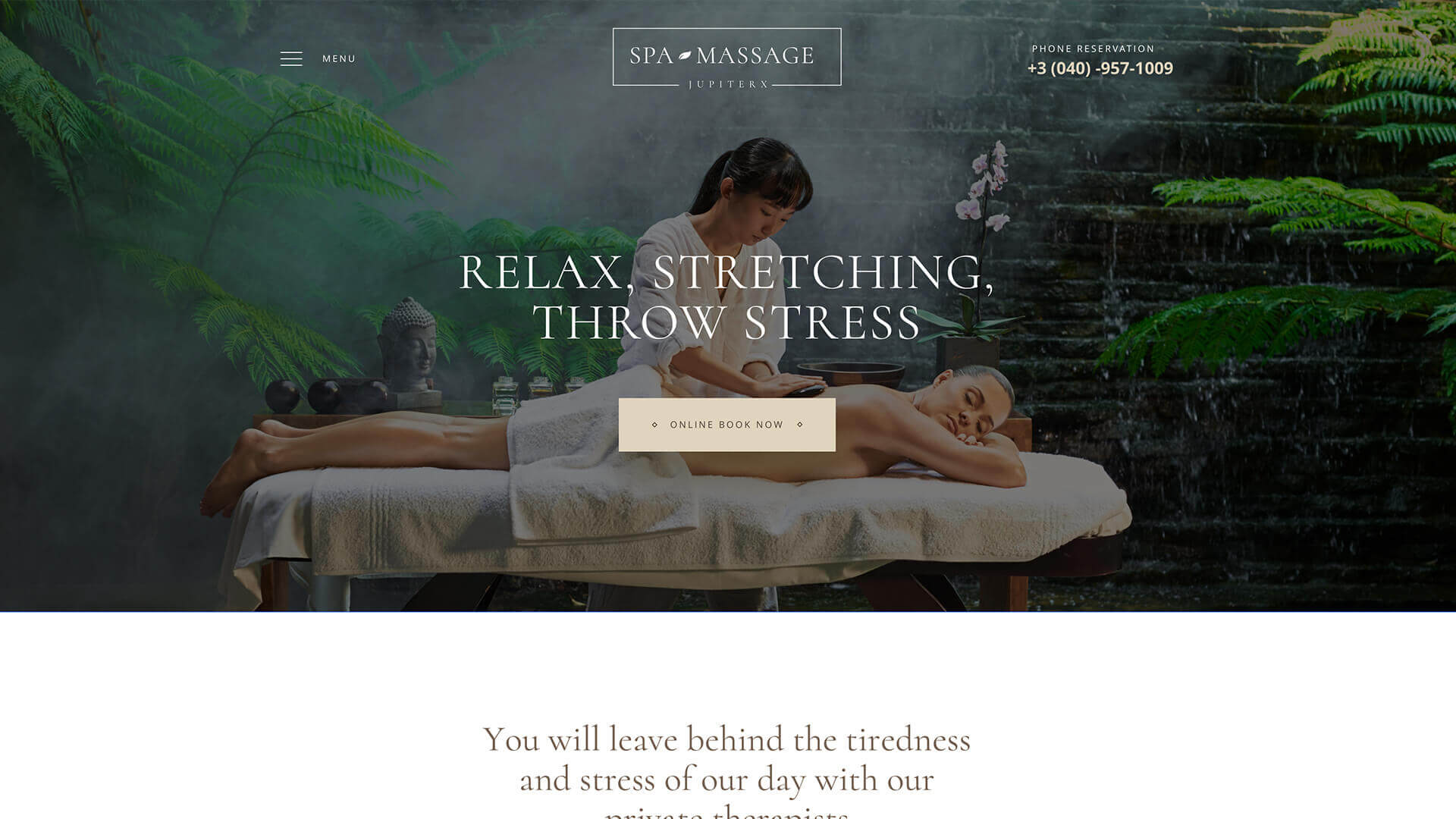
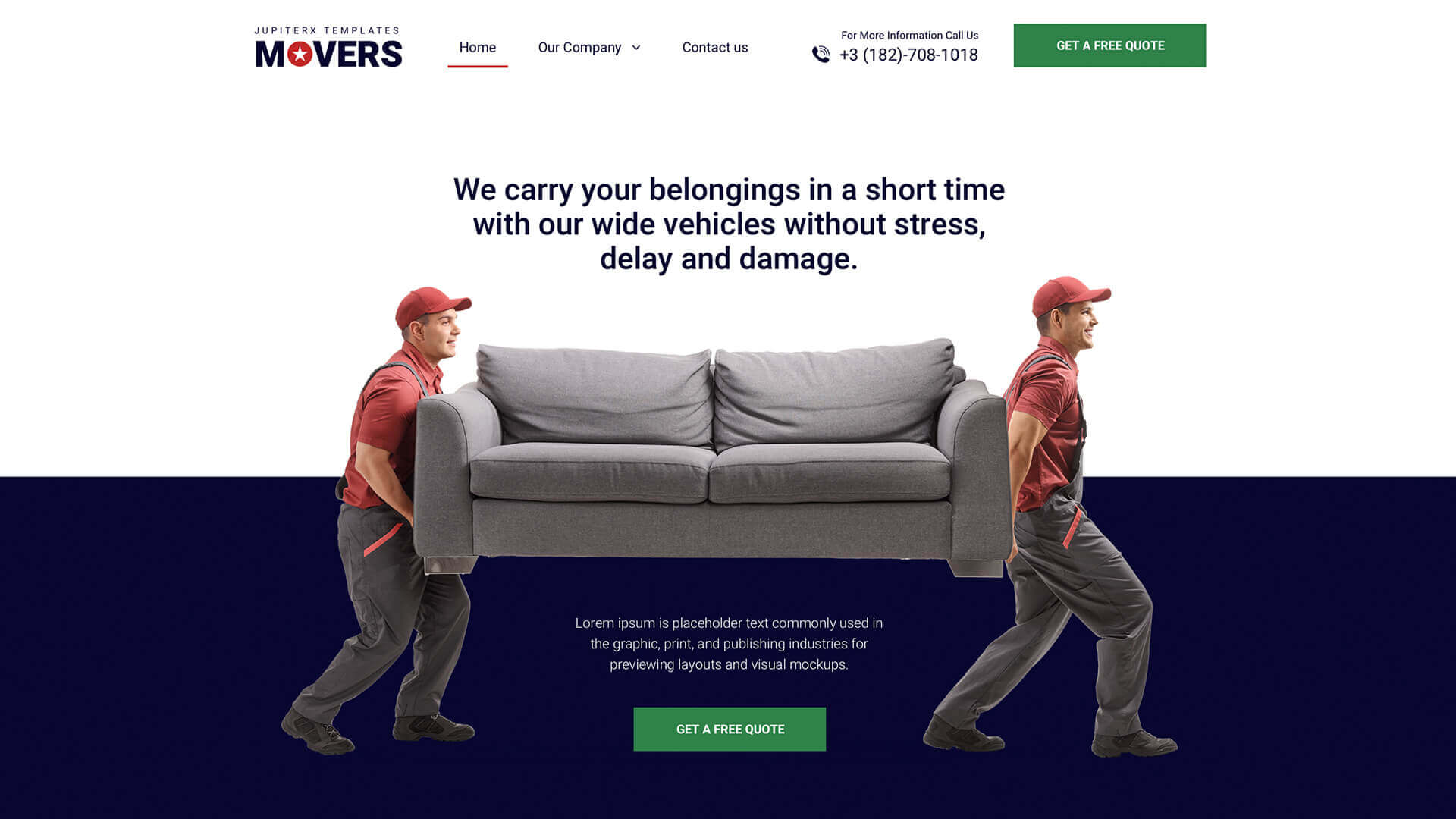
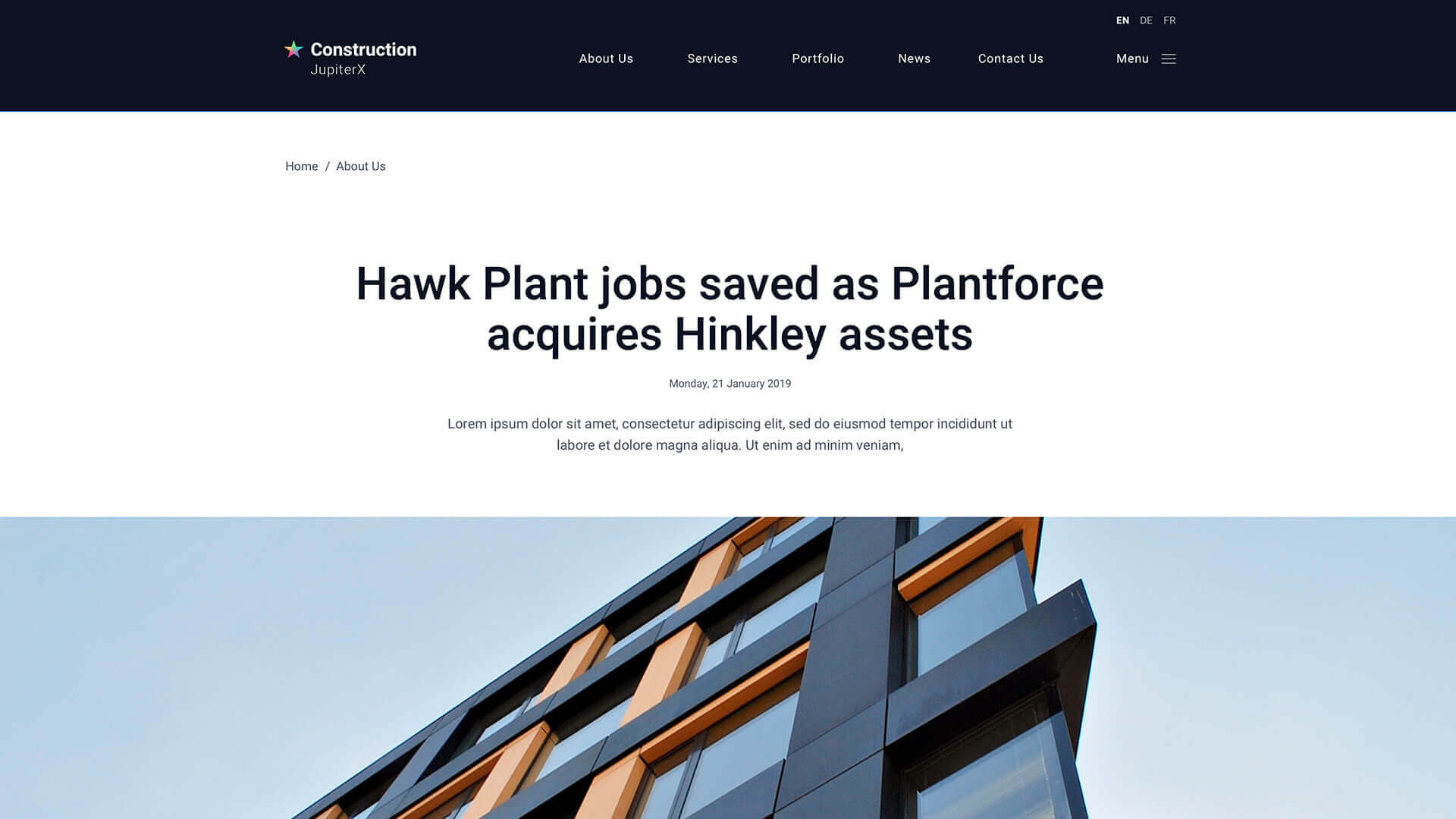
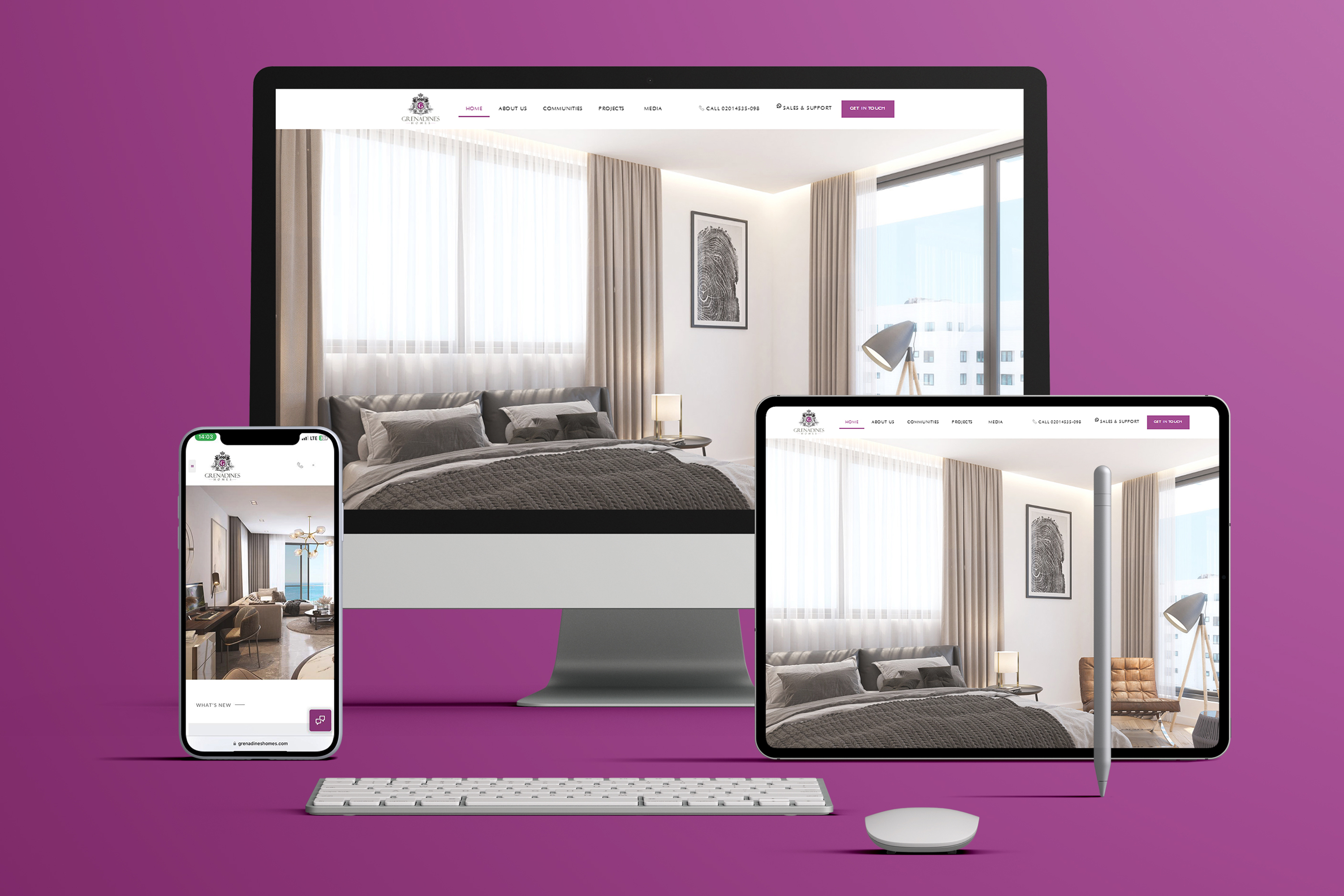
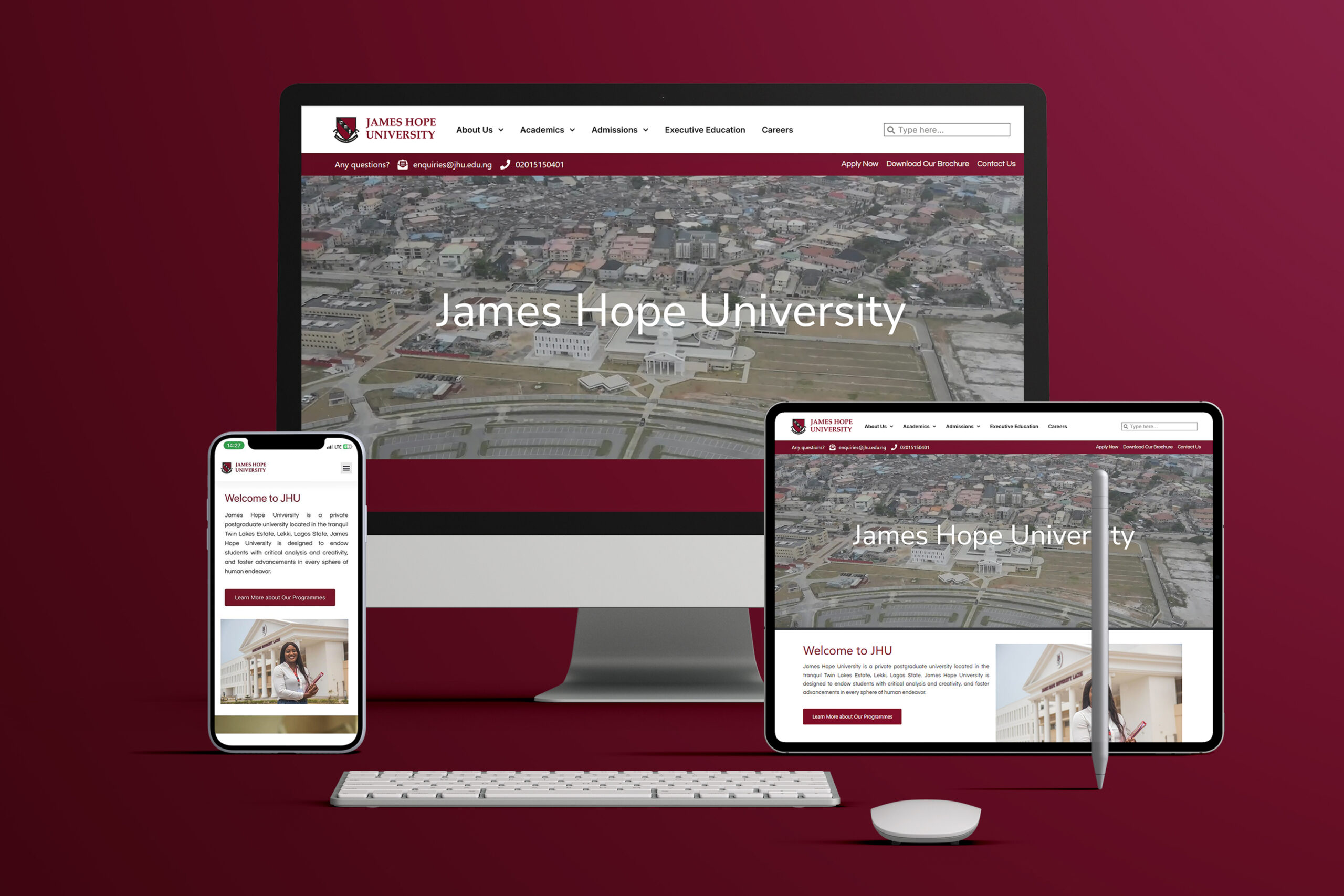
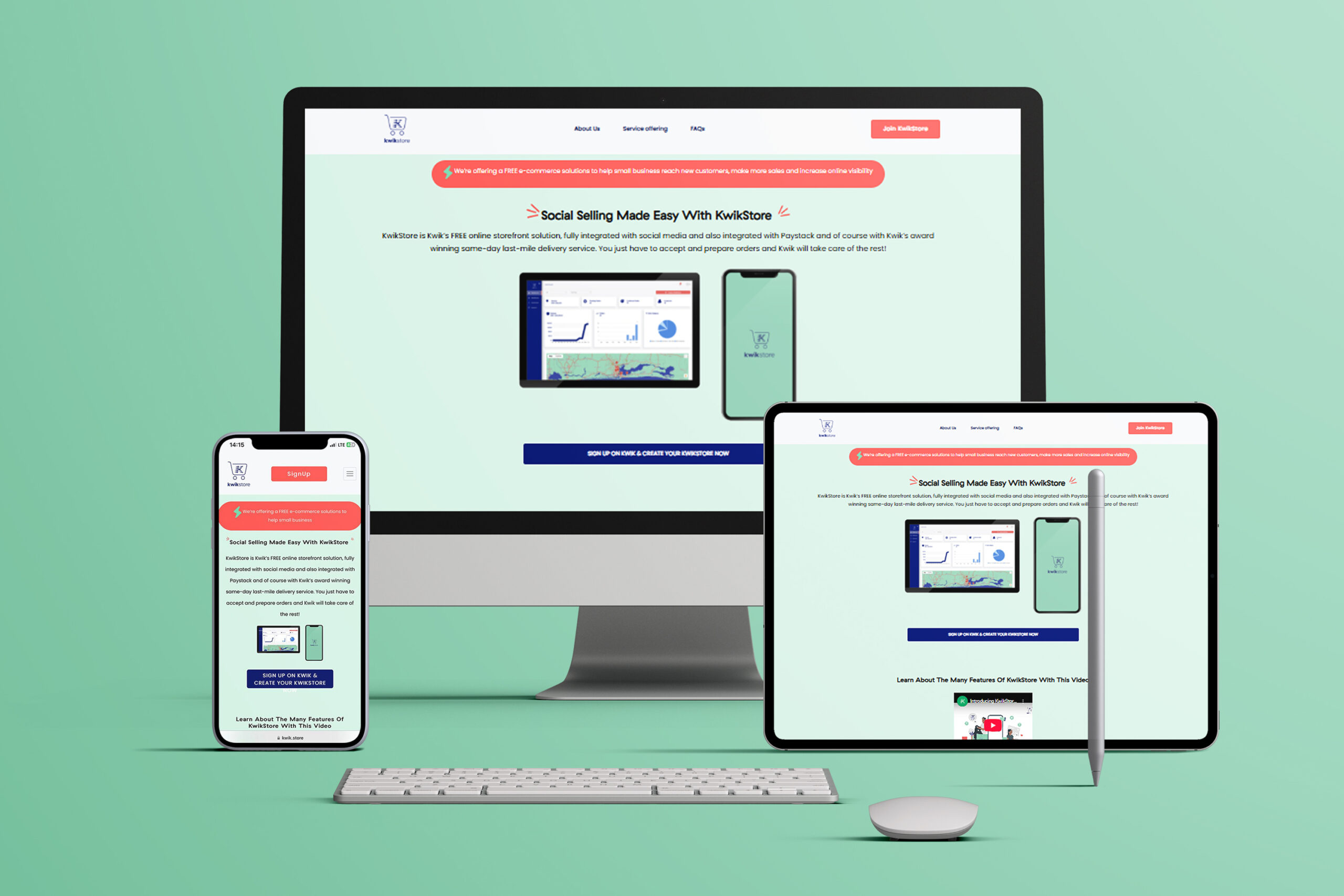
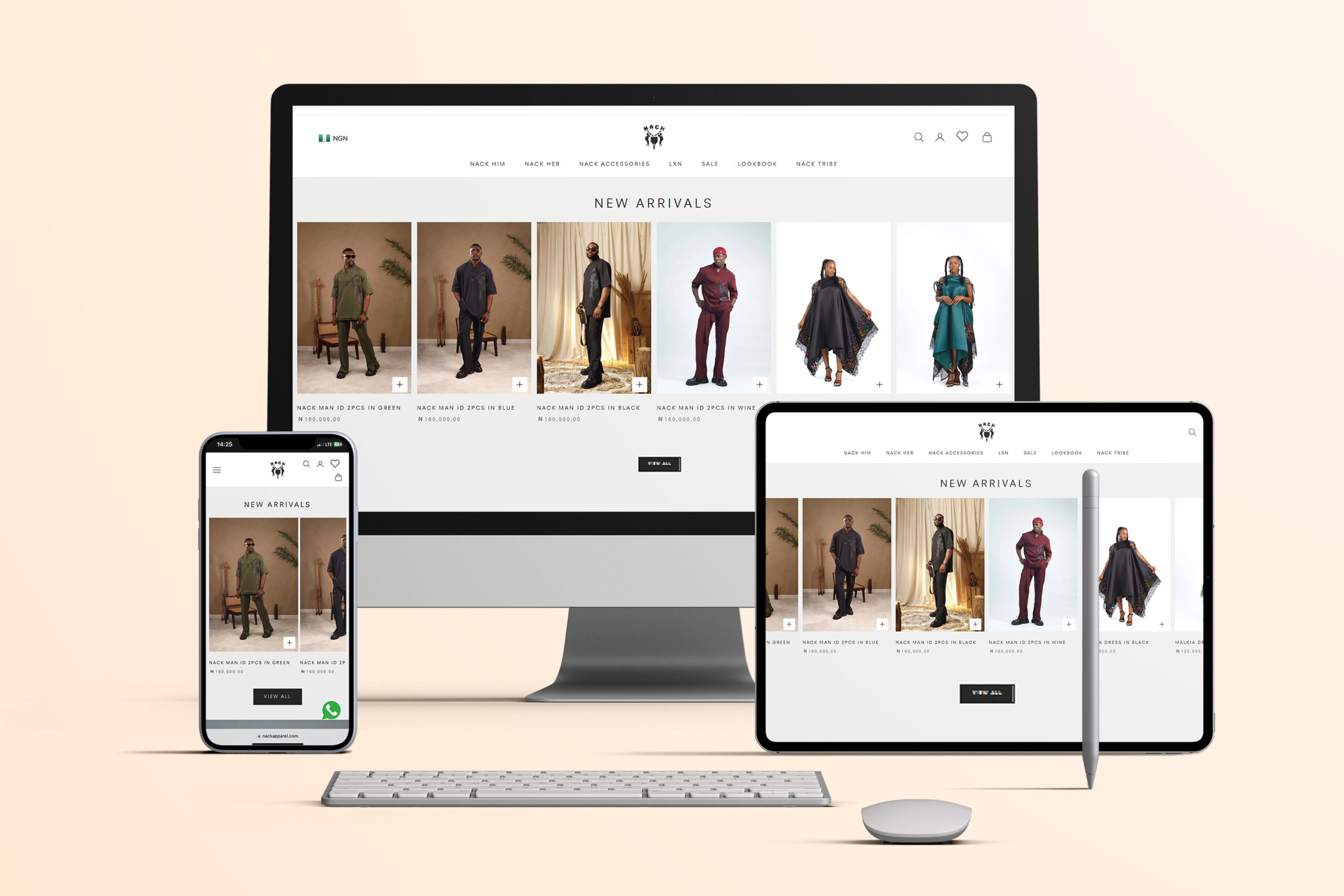
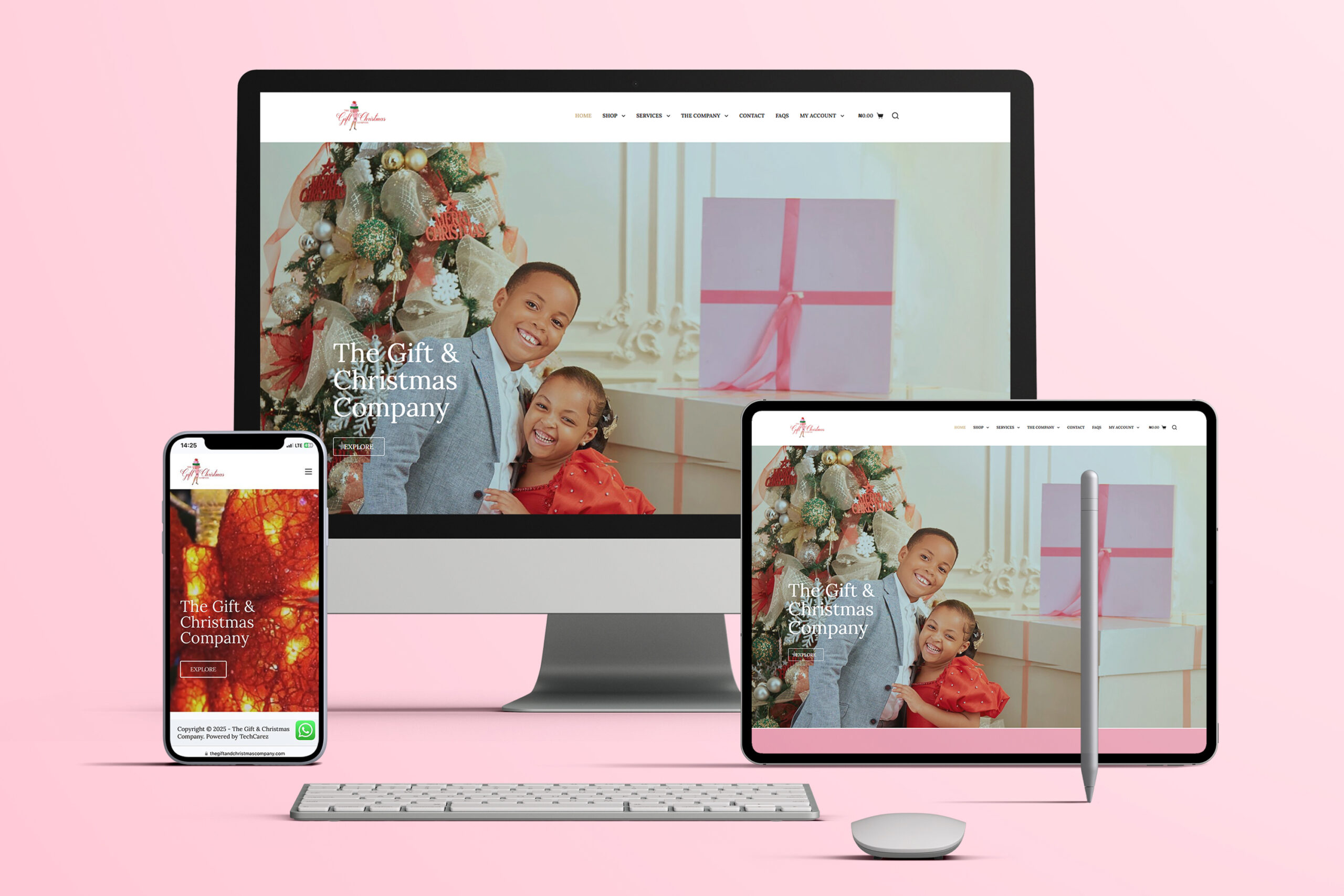
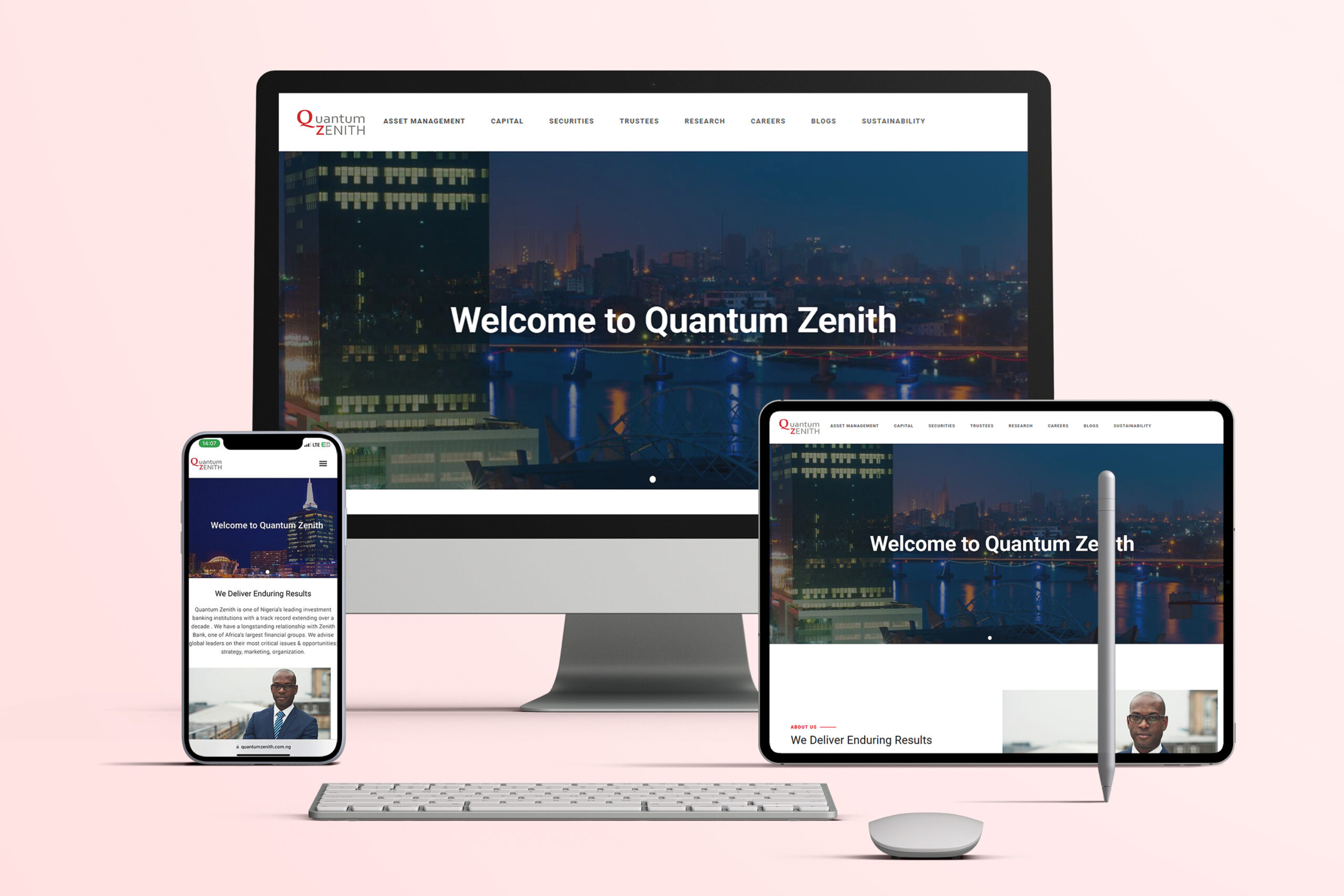
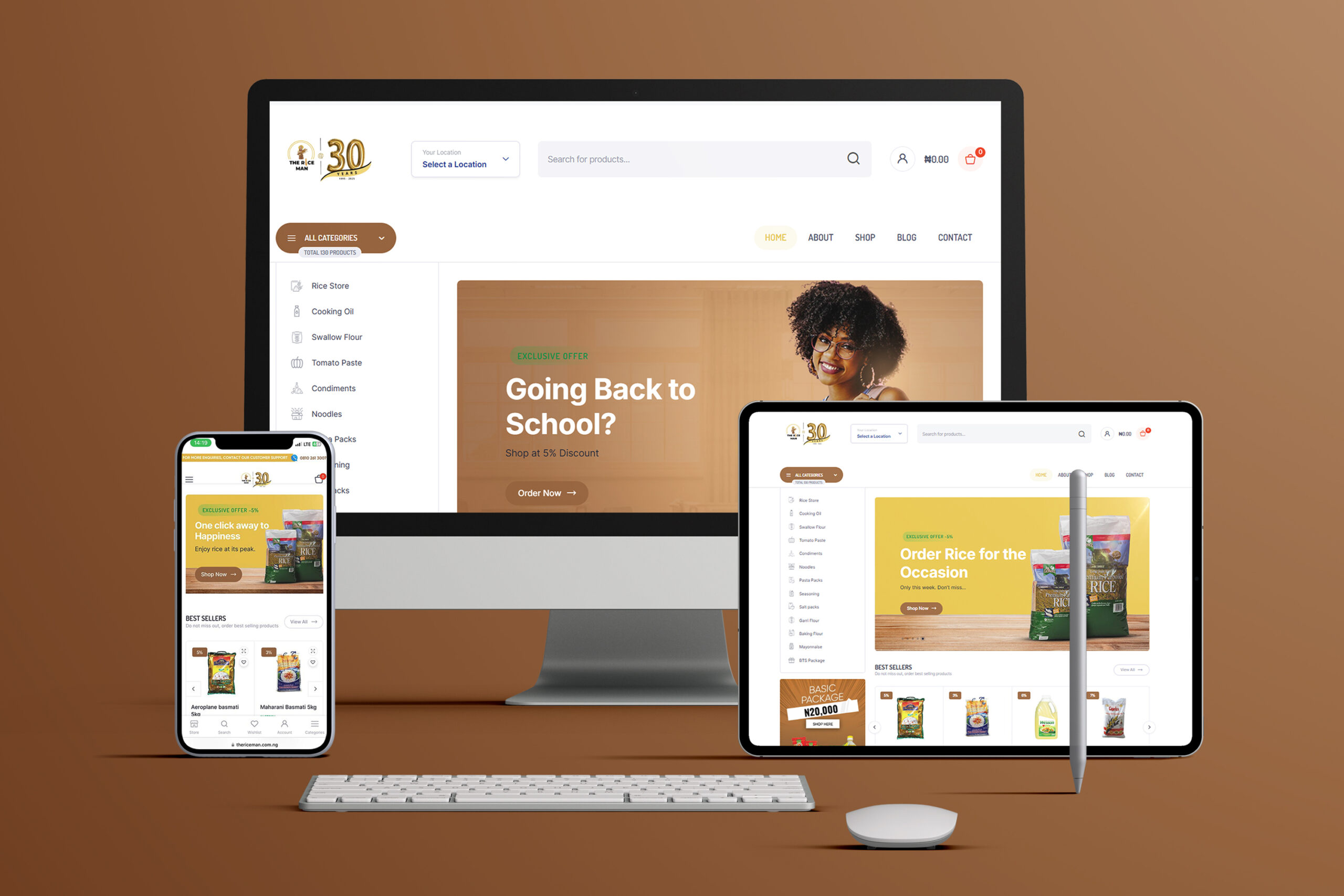
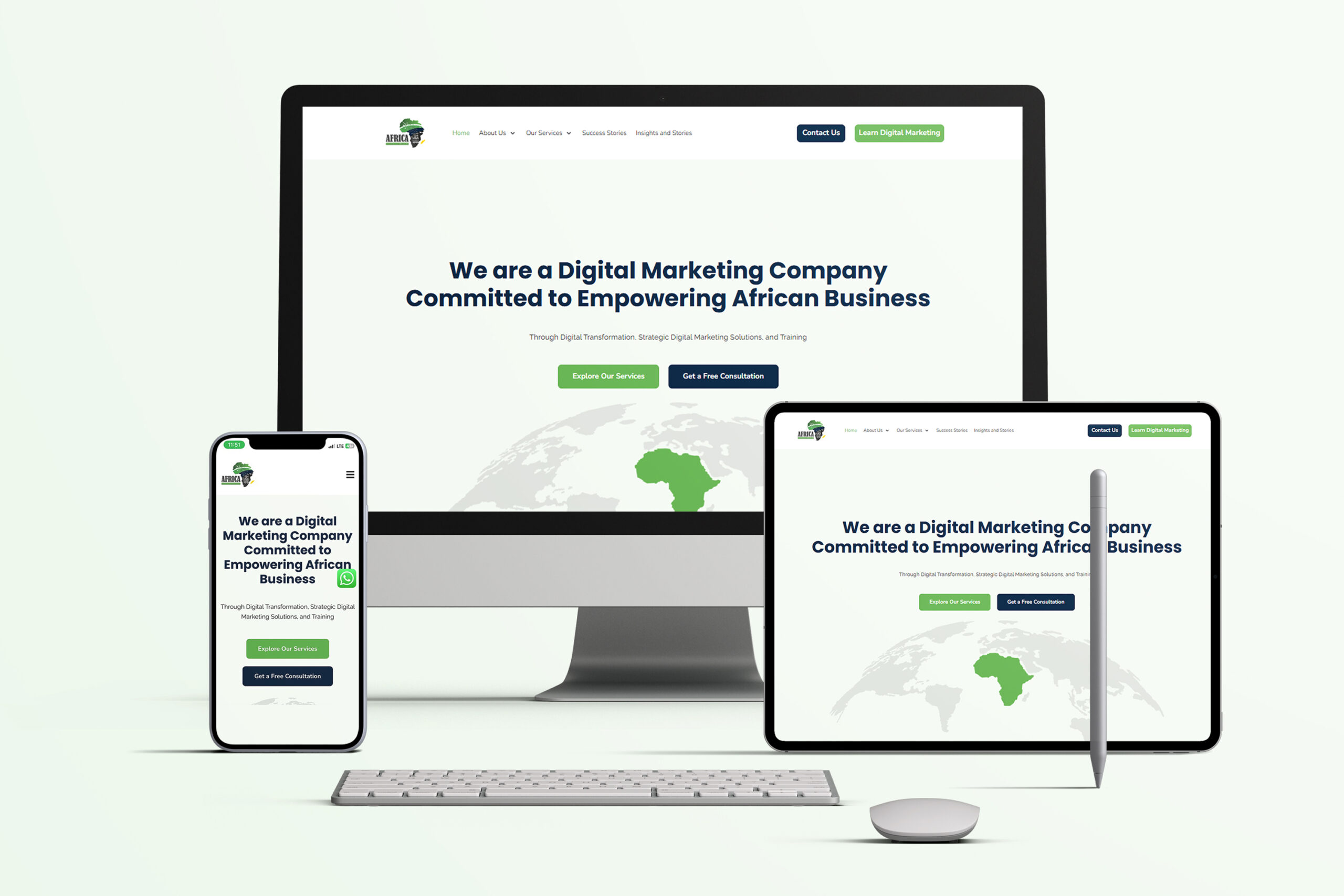
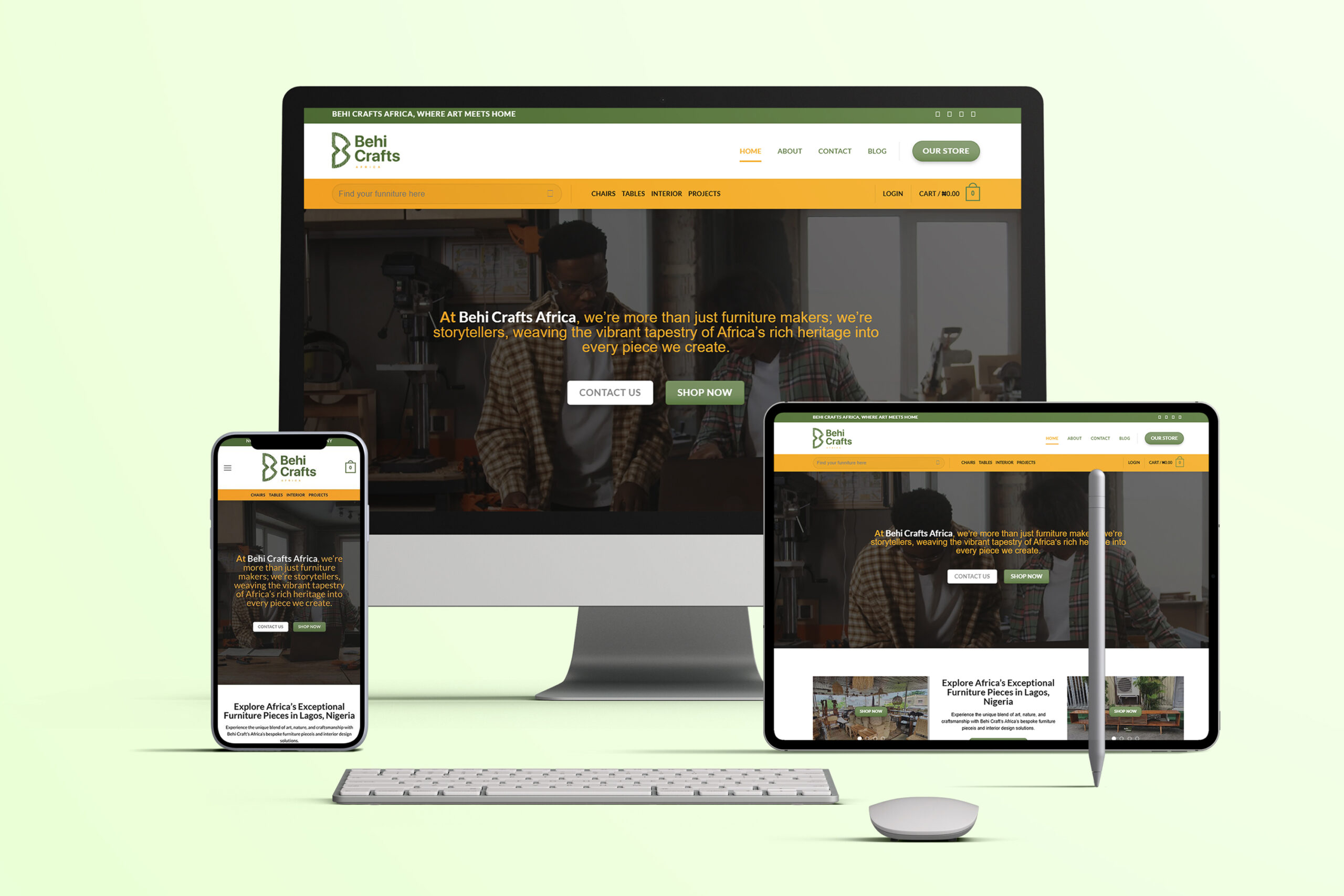
Your website is your digital storefront—we make sure it reflects your brand’s values while being functional, responsive, and easy to navigate. Our web development projects range from e-commerce platforms to corporate websites that convert visitors into loyal customers.
Our websites are optimized for SEO, responsive, and deliver conversion rates as high as 20%.
Send Us a Brief or Book an Appointment – Let's Bring Your Ideas to Life!
We would love to hear about your next project and collaborate with you to deliver outstanding results. Whether you have a campaign idea or need help with web design, SEO, or video production, our team is ready to help.
Follow Us on Social Media – Stay Inspired and Updated!
We regularly share insights, project highlights, and behind-the-scenes stories on our social platforms. Follow us to stay connected and get inspired by the work we do.
We understand the power of radio advertising and know how to create content that captures listeners’ attention. From radio spots to sponsorship jingles, we ensure your message is heard loud and clear.
Our Radio Services Include
Radio Spots & Commercials
Sponsorship Segments
Brand Storytelling on Radio Shows
Our Works
Result
Our radio campaigns have reached millions of listeners and driven brand recognition and customer inquiries.
Send Us a Brief or Book an Appointment – Let's Bring Your Ideas to Life!
We would love to hear about your next project and collaborate with you to deliver outstanding results. Whether you have a campaign idea or need help with web design, SEO, or video production, our team is ready to help.
Follow Us on Social Media – Stay Inspired and Updated!
We regularly share insights, project highlights, and behind-the-scenes stories on our social platforms. Follow us to stay connected and get inspired by the work we do.